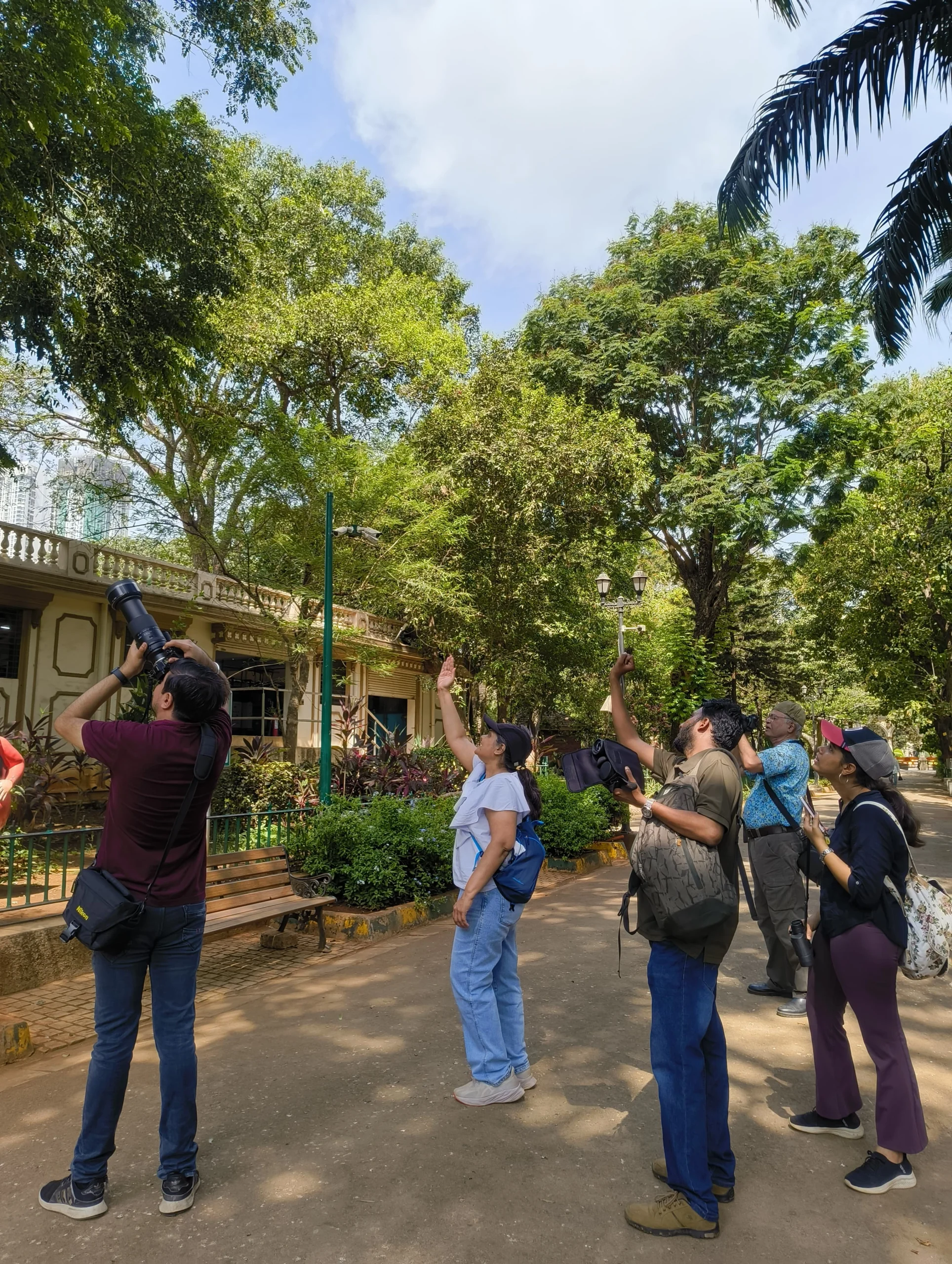


Bird Walk at Veermata Jijabai Bhosale Botanical Udyan and Zoo, Mumbai, Maharashtra
- Navi Mumbai
- 17 May, 2026
- Umesh Avadootha
About Veermata Jijabai Bhosale Botanical Udyan and Zoo
Tucked within the bustling cityscape of Mumbai, Veermata Jijabai Bhosale Botanical Udyan and Zoo is a rare green sanctuary where history, biodiversity, and urban life intersect. Sprawled across a beautifully maintained landscape, the area features a mix of old-growth trees, curated gardens, open lawns, and shaded pathways. Towering rain trees, palms, and a variety of native and exotic plant species create layered habitats that support birds, butterflies, and small mammals. Despite being in the heart of the city, the space offers a surprisingly rich natural experience, where the sounds of traffic fade into birdsong and rustling leaves.
For birders, this urban oasis provides a rewarding glimpse into Mumbai’s adaptable wildlife. Common species like sunbirds, parakeets, barbets, and magpie-robins thrive here, taking advantage of the diverse vegetation and relatively protected environment. However, the very factors that make it accessible—high visitor footfall, infrastructure, and urban pressures—also pose challenges such as disturbance, noise, and habitat stress. Sustained conservation efforts, mindful visitor behavior, and habitat management are essential to maintain this delicate balance. With the right care, this historic garden can continue to serve as both a refuge for biodiversity and a vital green escape for the city’s residents.

Bird Guide: Umesh Avadootha
Assistant Biologist at Veermata Jijabai Bhosale Botanical Udyan & Zoo (Mumbai Zoo), with over four years of professional experience in wildlife and conservation. A passionate birder since 2016 and a dedicated nature educator, focused on inspiring people to observe, understand, and connect with birds and the natural world.

Bird walk Location
Common birds of Veermata Jijabai Bhosale Botanical Udyan and Zoo
In the heart of the city, this vibrant mix of birdlife reflects how nature adapts and thrives alongside urban life. Large flocks of Rock Pigeon and House Crow dominate the skyline, while the graceful glide of the Black Kite adds a dynamic presence overhead. Amidst the greenery, flashes of color and sound come alive with Alexandrine Parakeet and Rose-ringed Parakeet, their calls echoing through tree canopies. Water edges and shaded corners reveal quieter species like the Indian Pond Heron and Black-crowned Night Heron, while the striking White-throated Kingfisher adds bursts of electric blue.
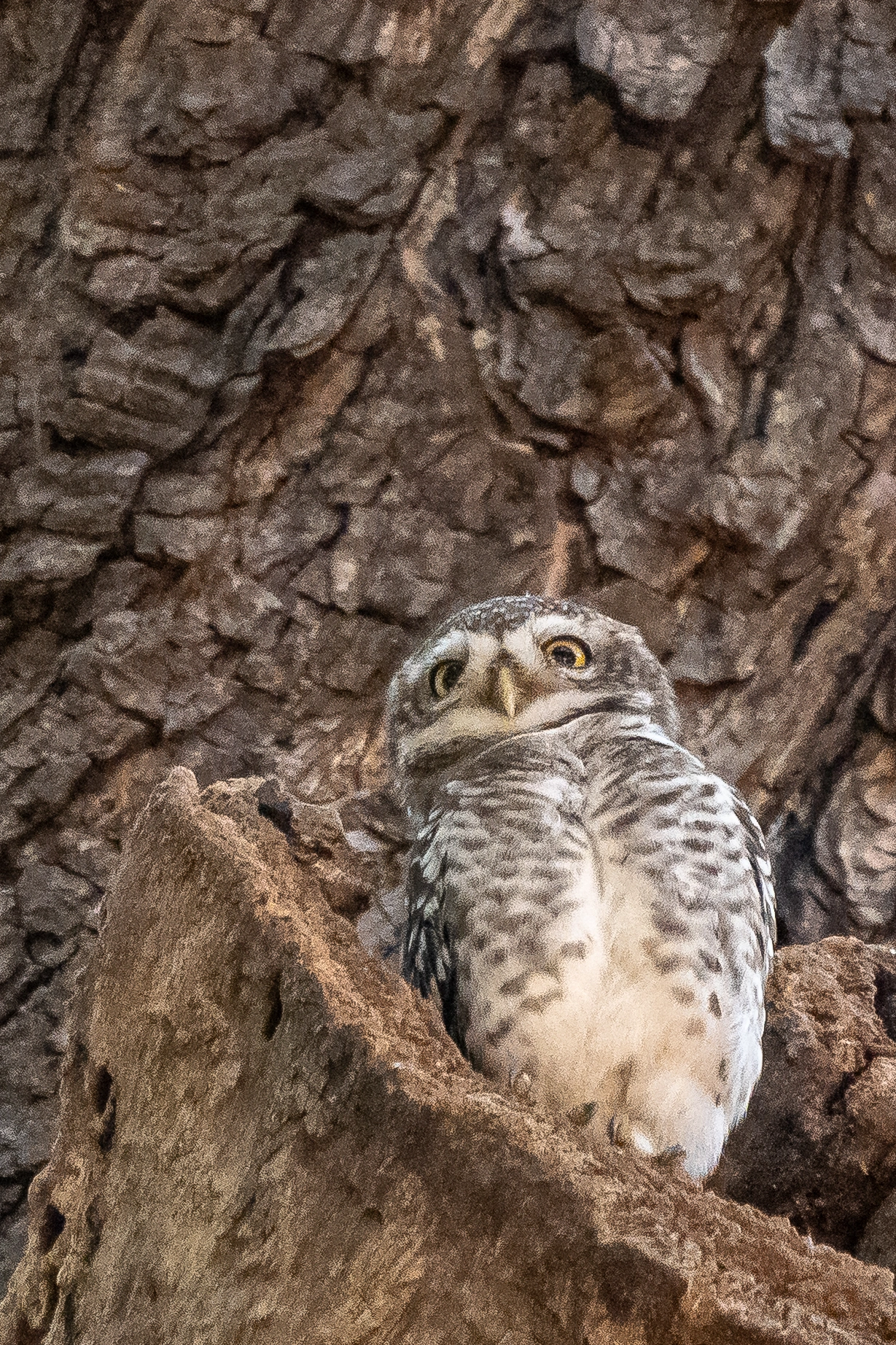
As the day unfolds, the soundtrack of the space shifts beautifully—from the melodious calls of the Asian Koel and Oriental Magpie Robin to the rhythmic tapping of the Coppersmith Barbet. Secretive residents like the Spotted Owlet and Greater Coucal add an element of surprise, while smaller birds such as fantails, sunbirds, and tailorbirds bring constant movement to the undergrowth. Together, this diverse assembly of species showcases the ecological richness of an urban habitat—where even amidst human activity, birds continue to find space, rhythm, and life.

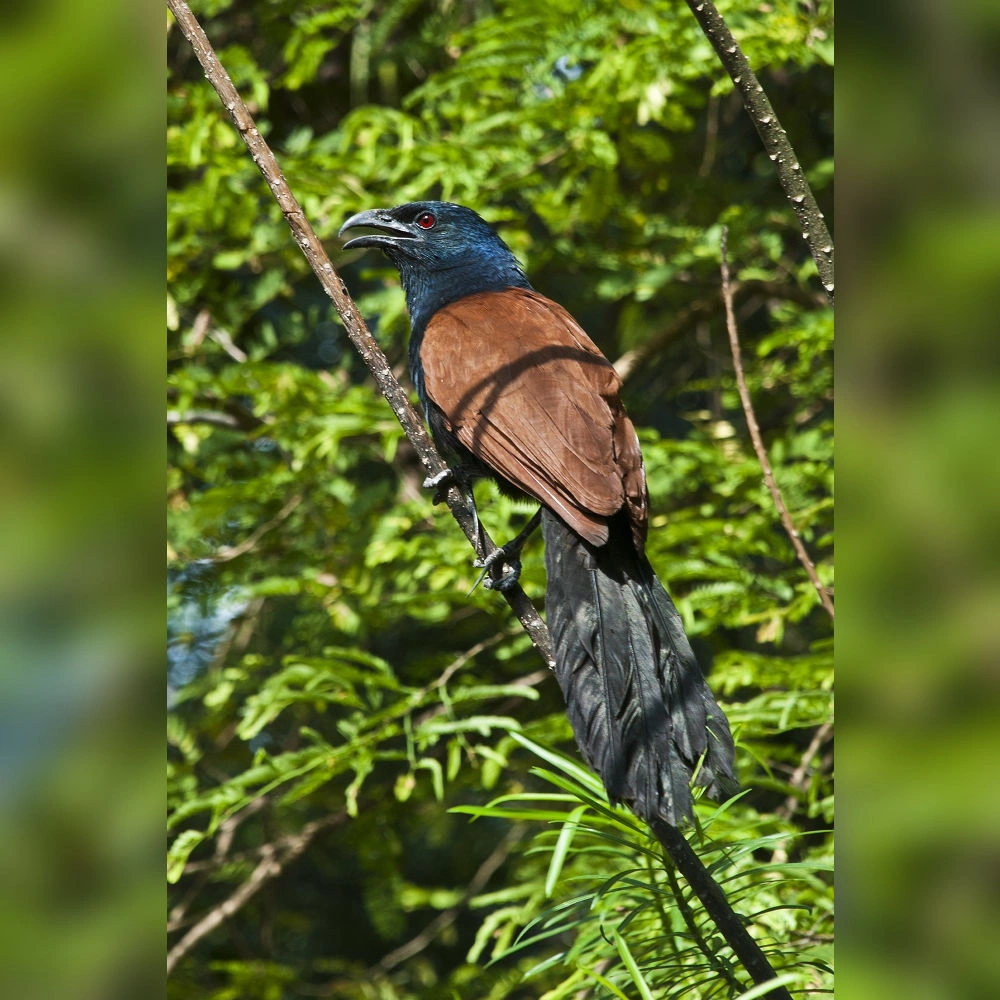
Greater Coucal

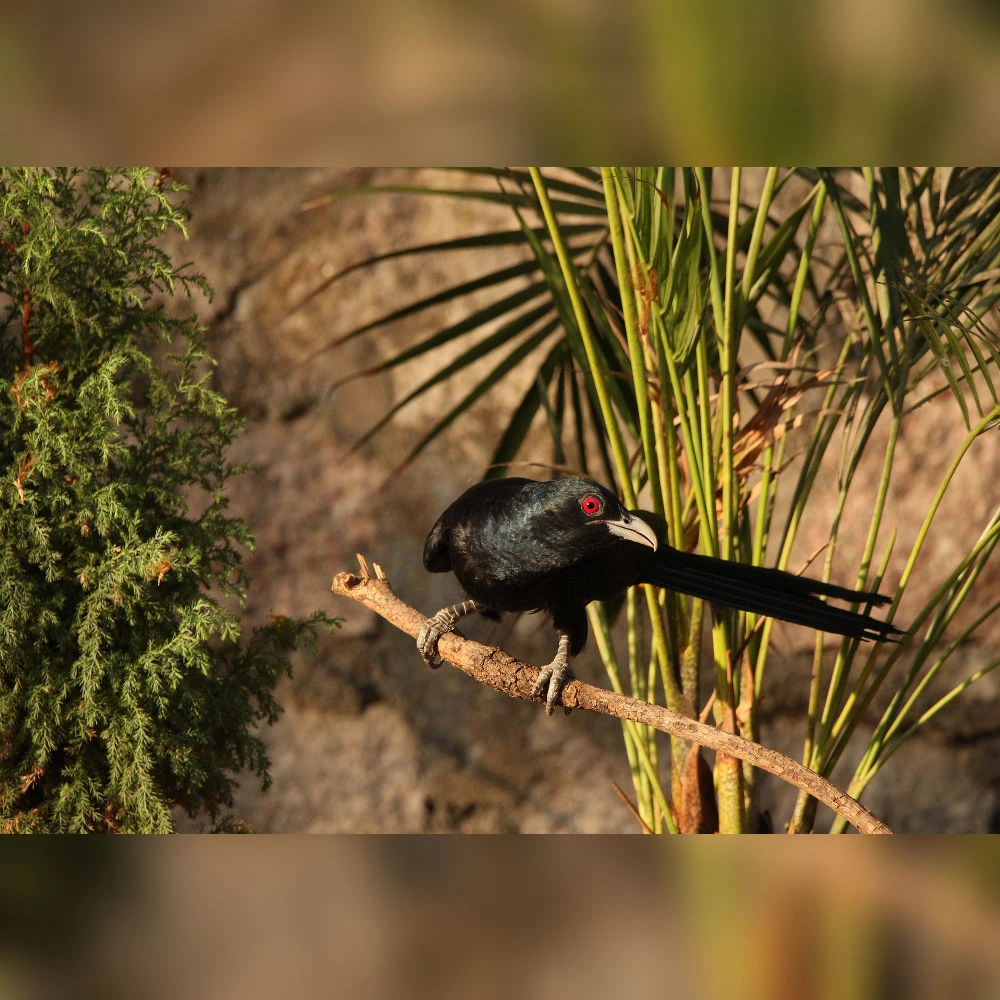
Asian Koel

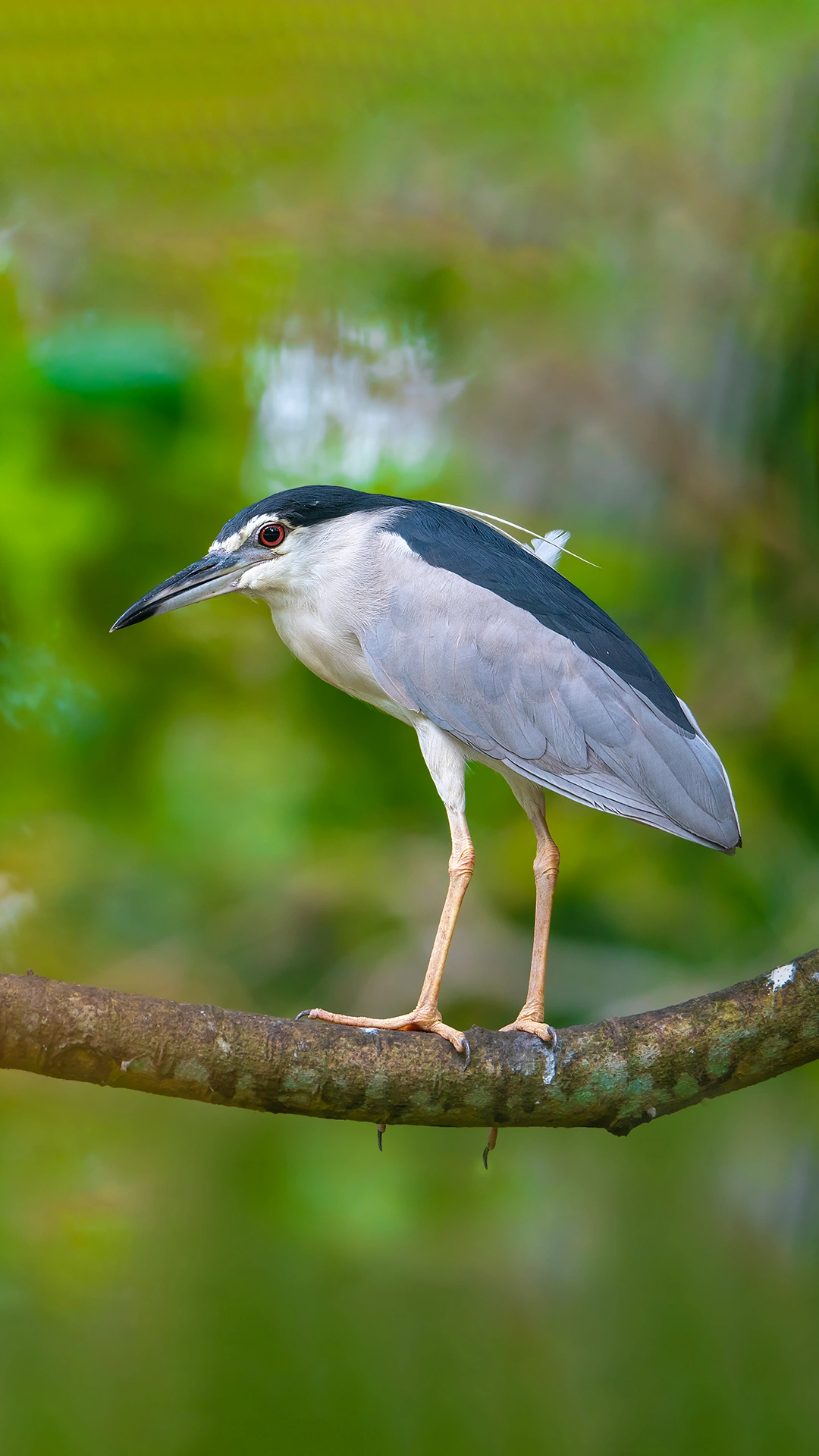
Black-crowned Night Heron
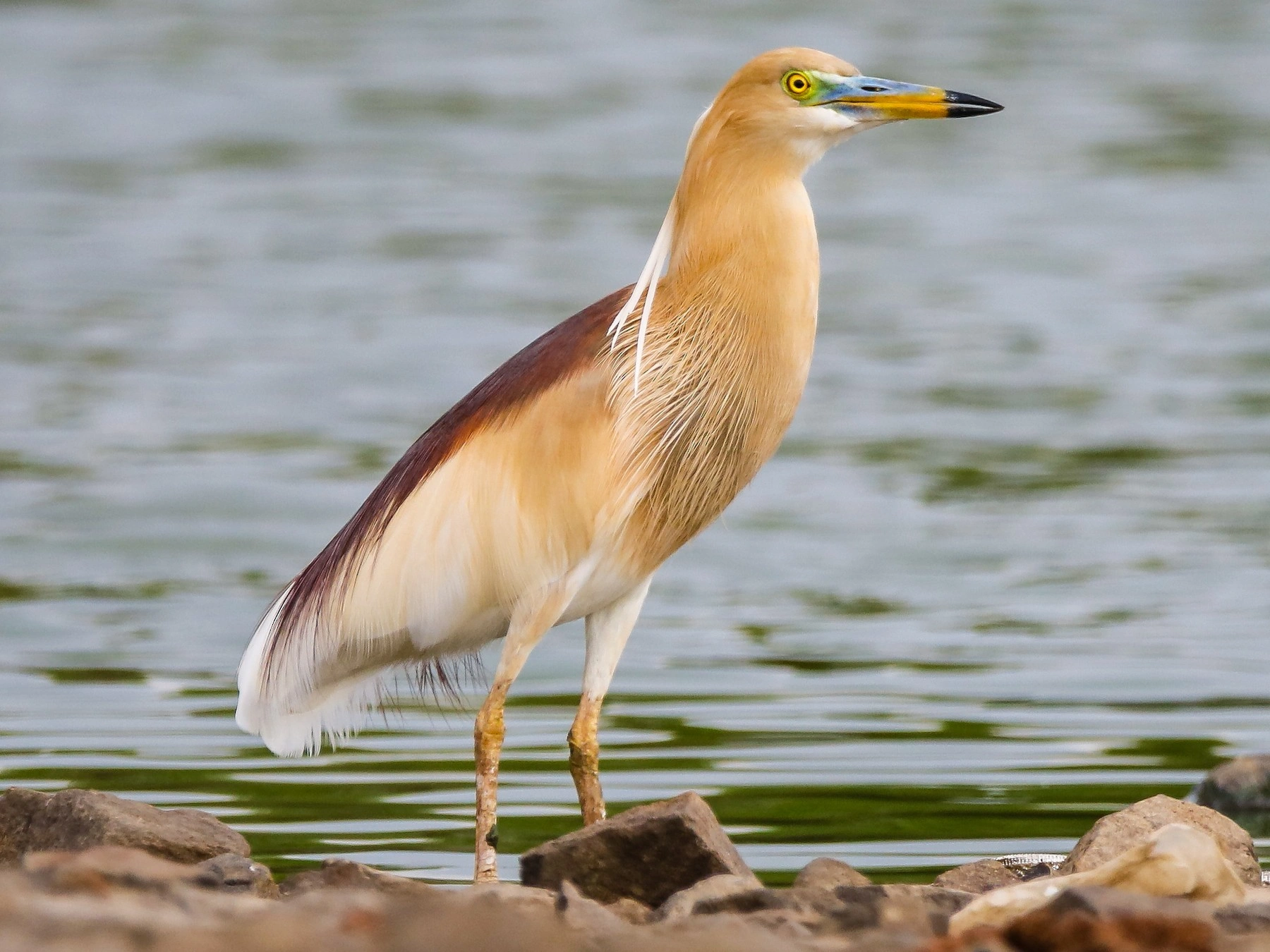
Indian Pond Heron
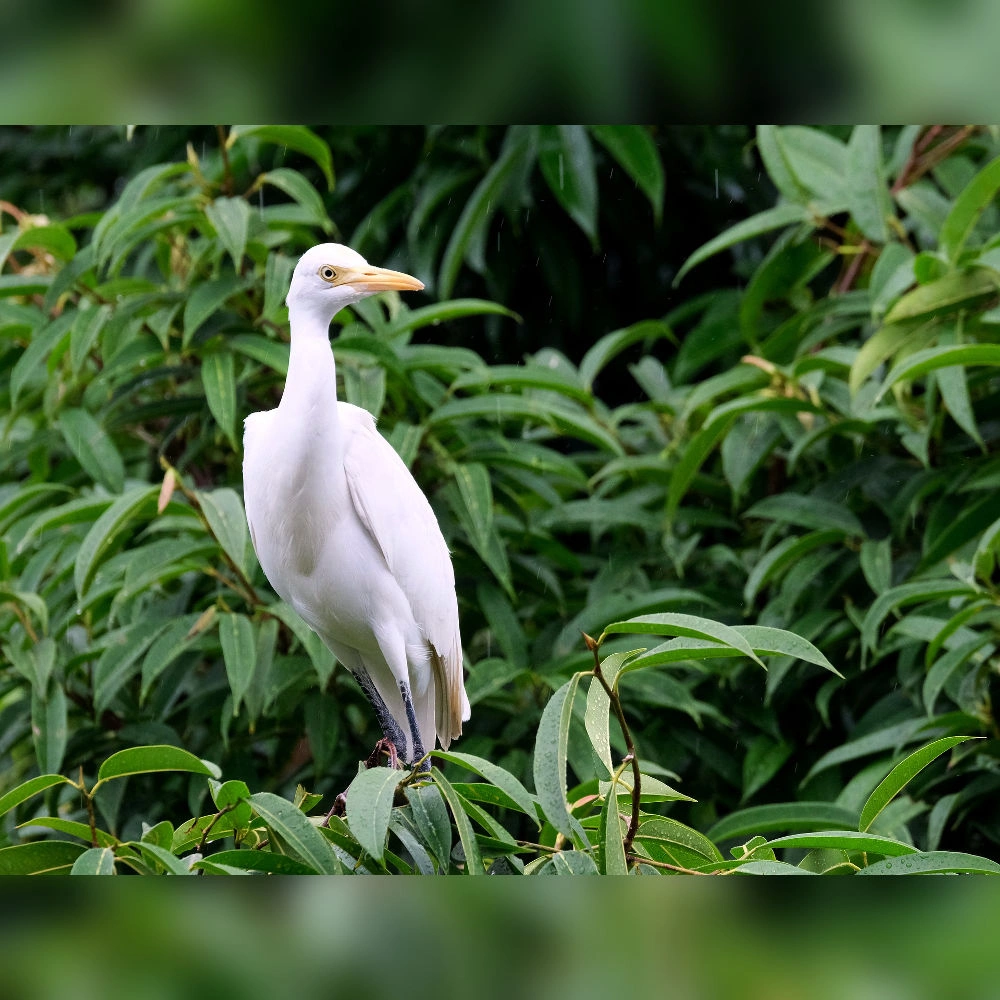
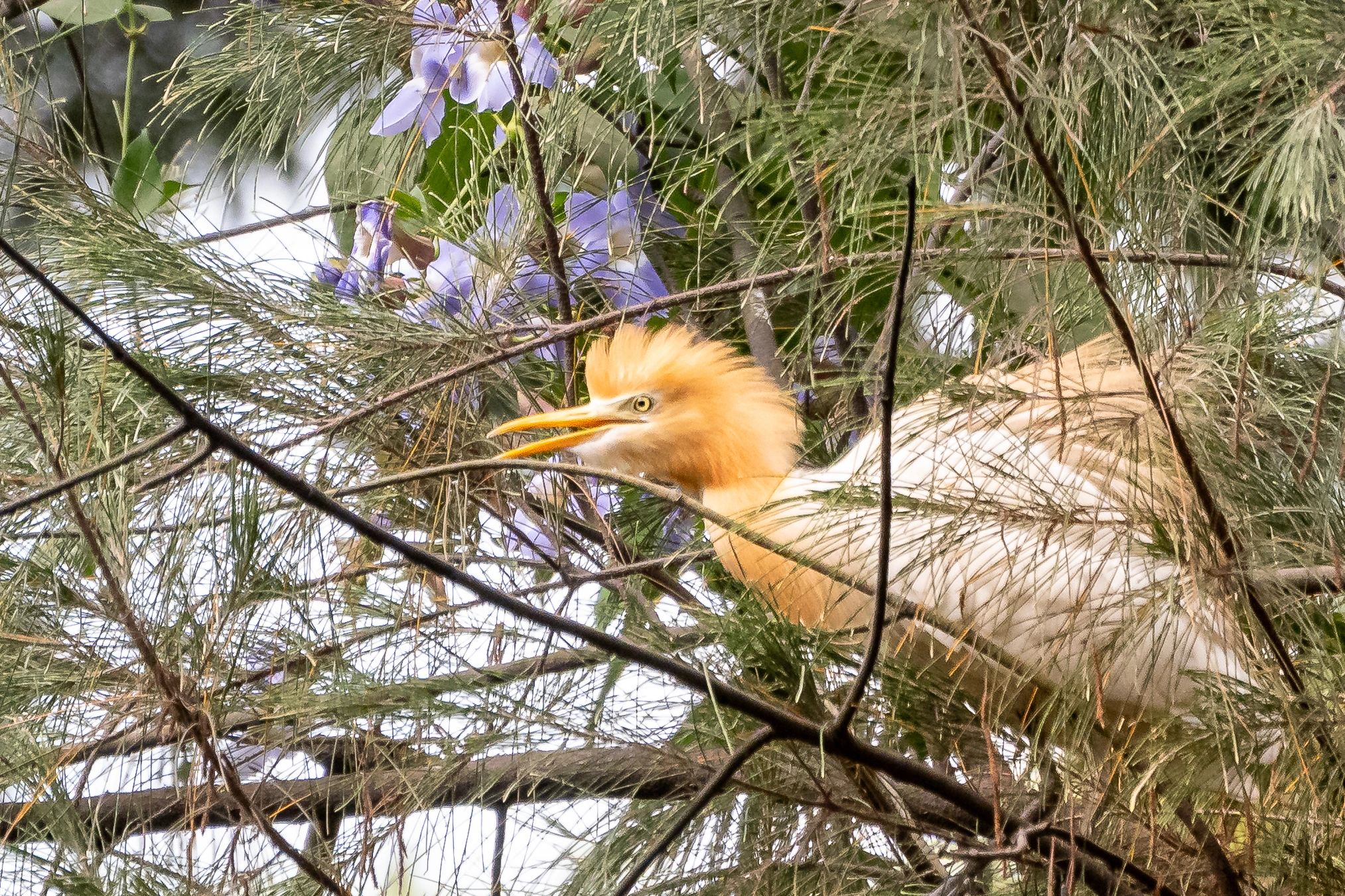
Eastern Cattle Egret

Black Kite
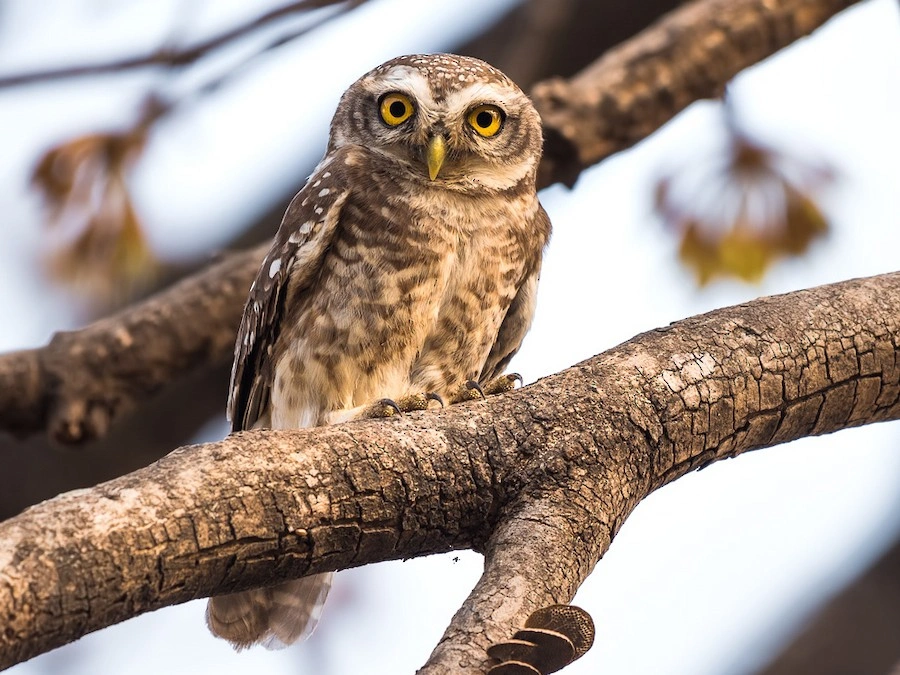
Spotted Owlet
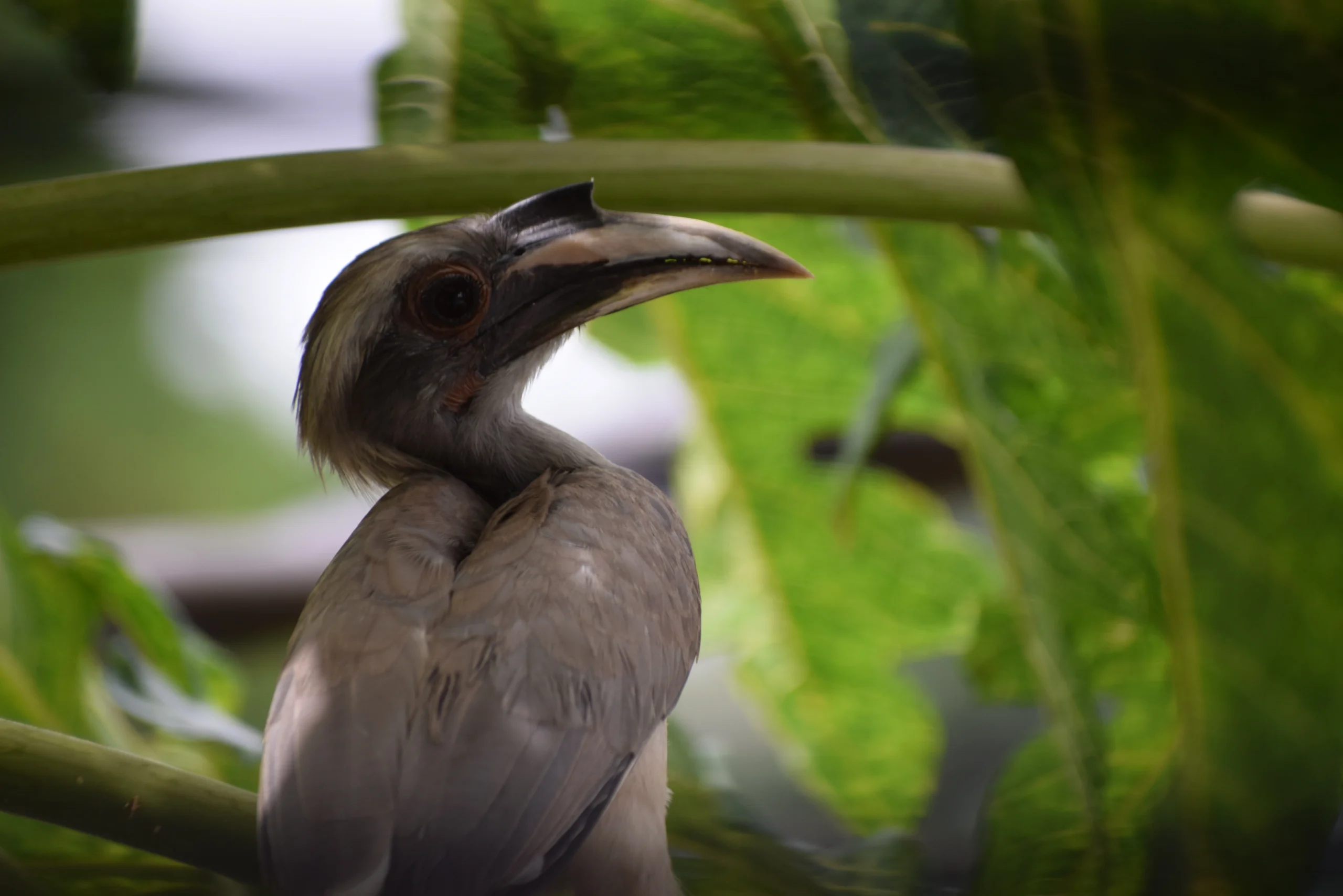
Indian Grey Hornbill
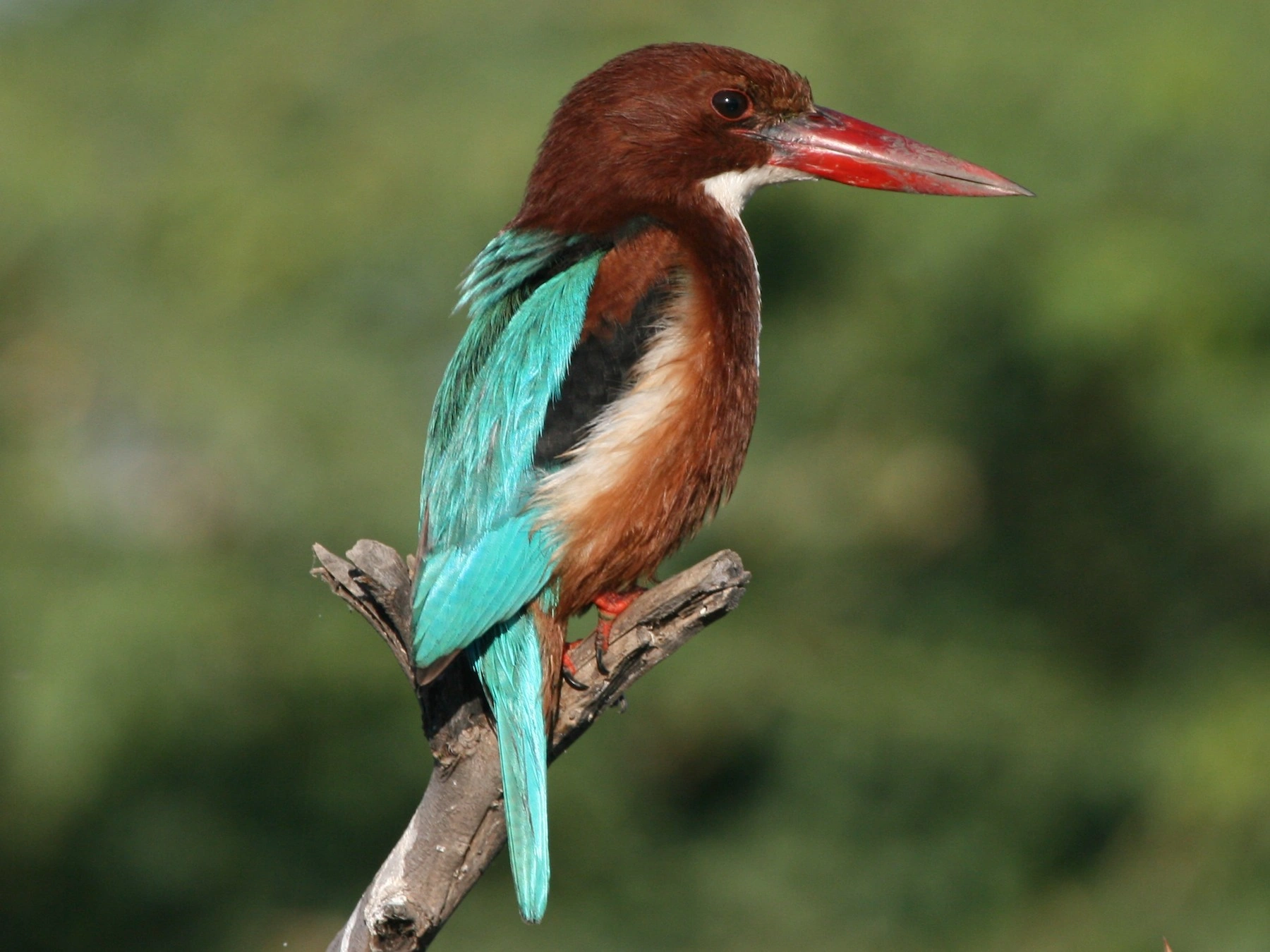
White-throated Kingfisher
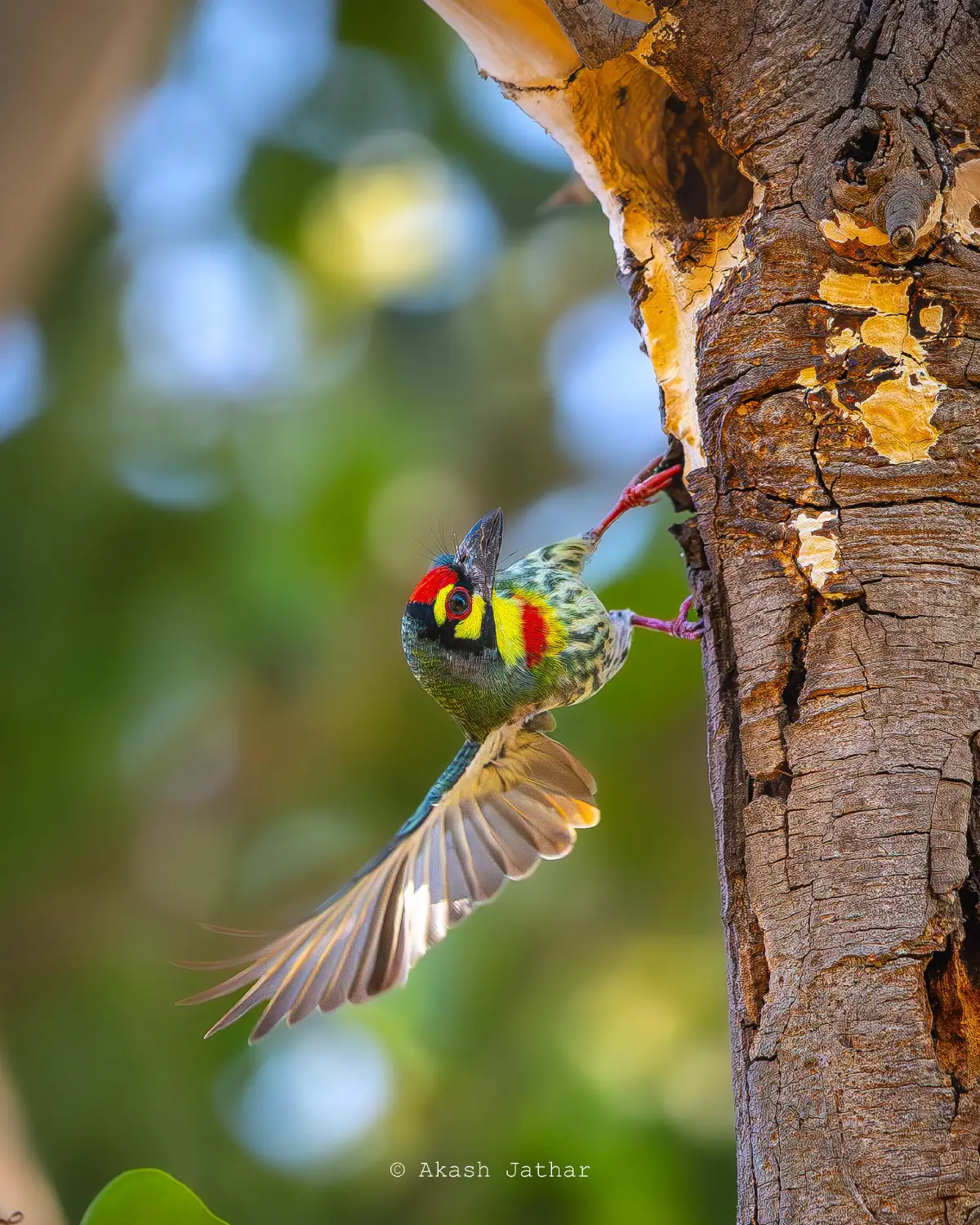
Coppersmith Barbet
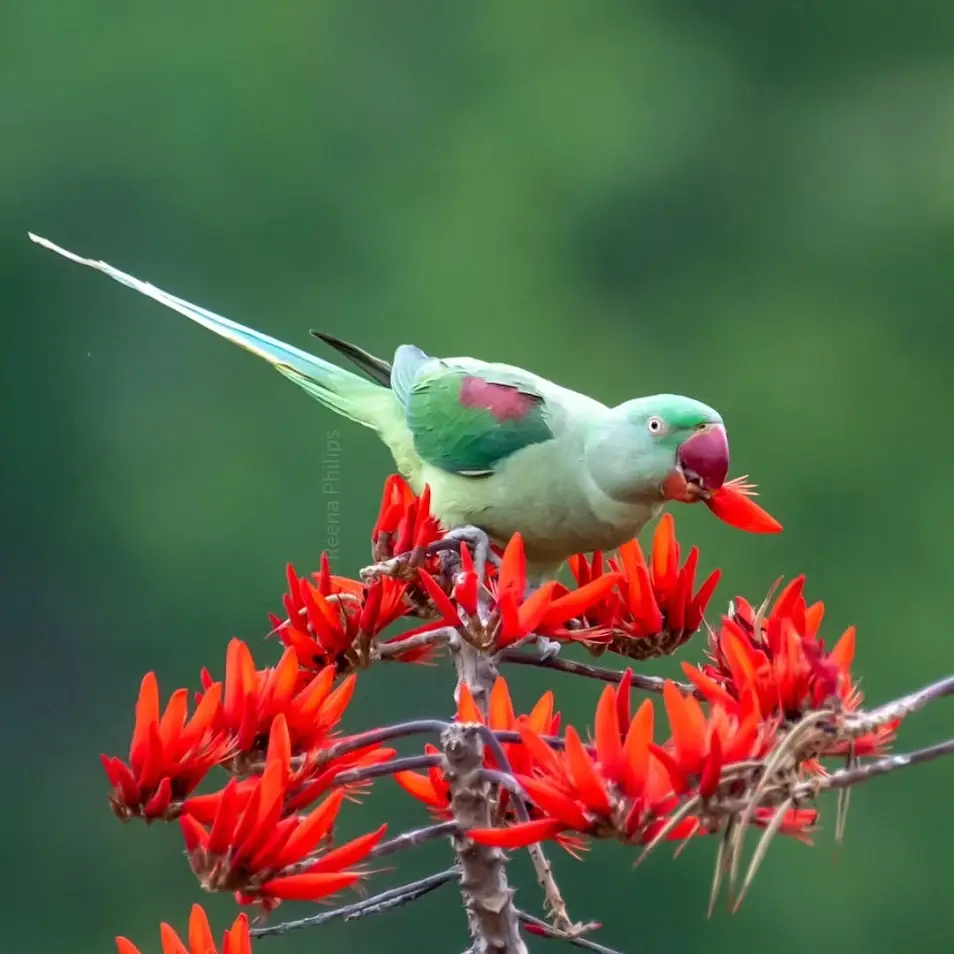
Alexandrine Parakeet
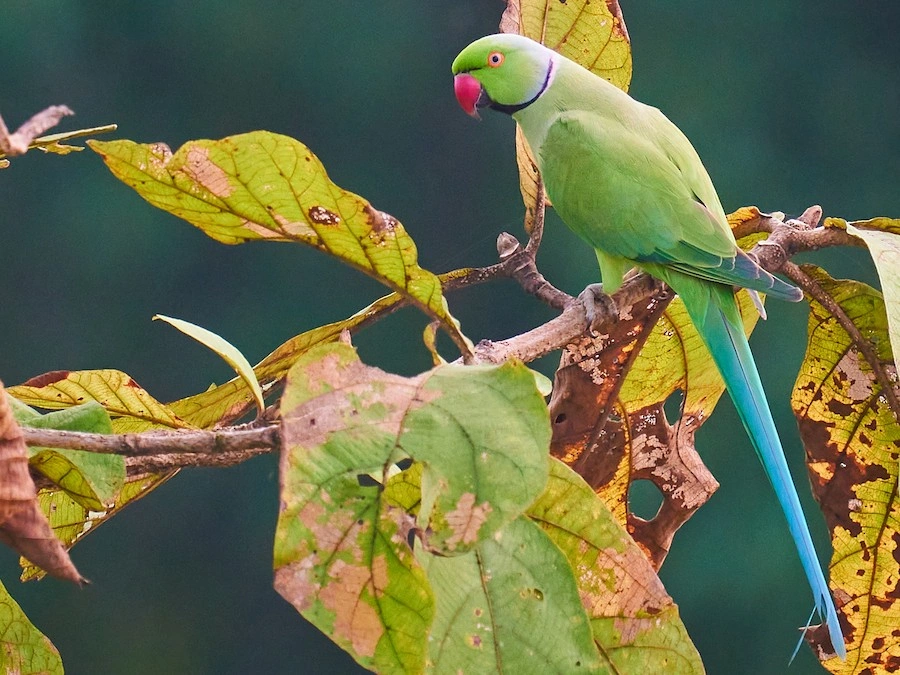
Rose-ringed Parakeet
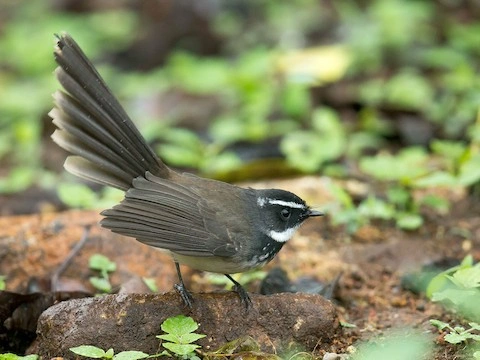
Spot-breasted Fantail
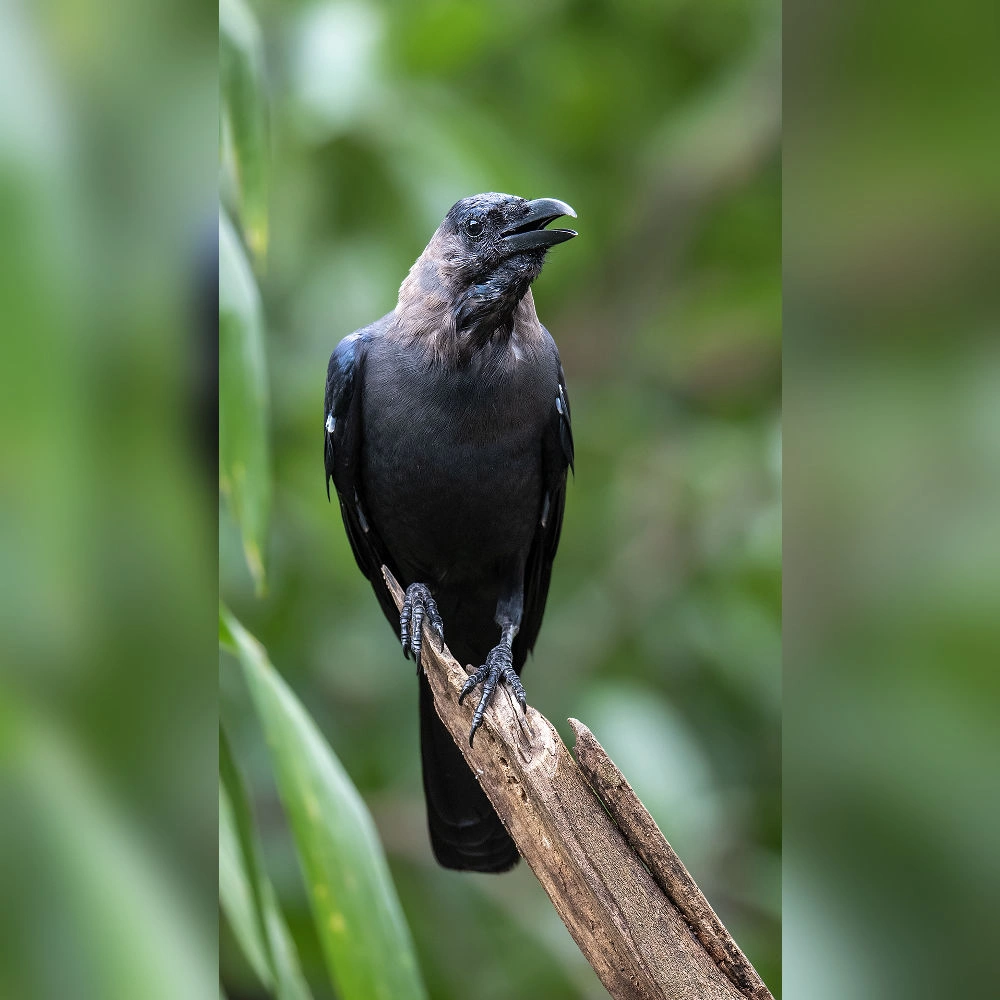
House Crow
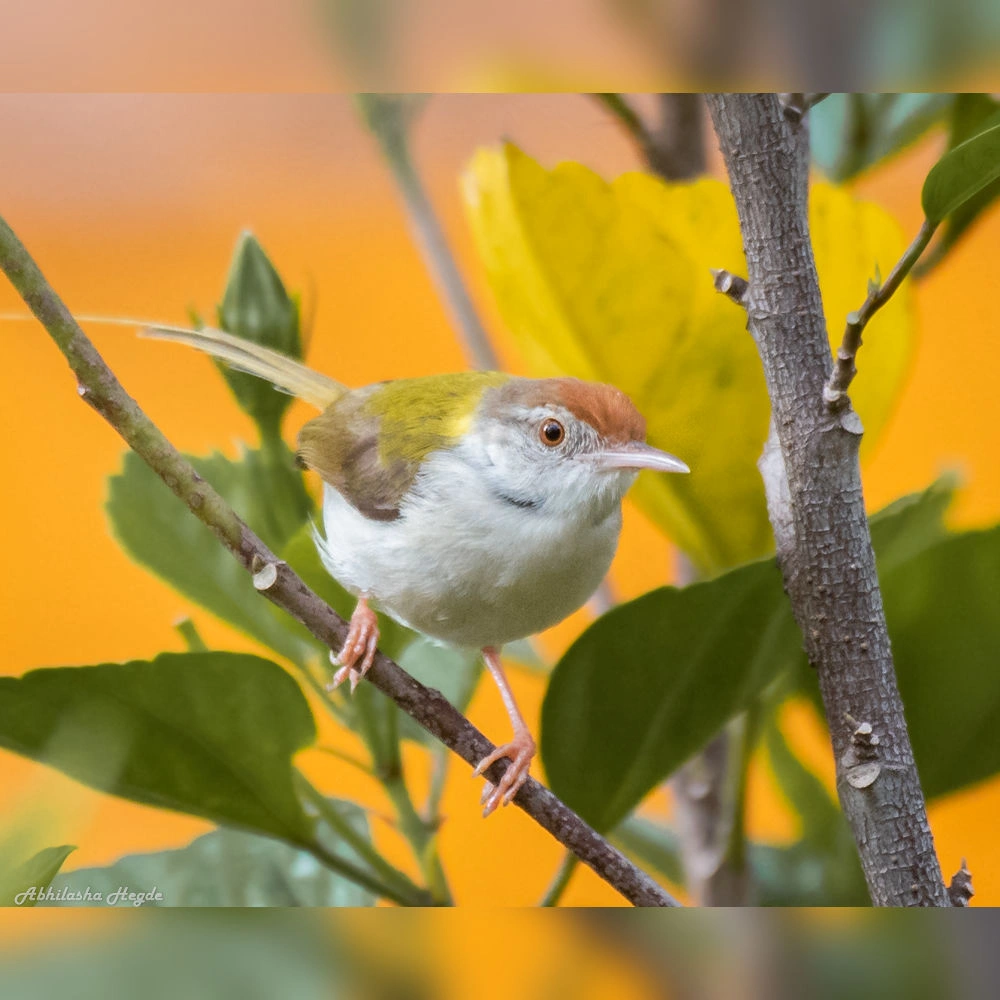
Common Tailorbird
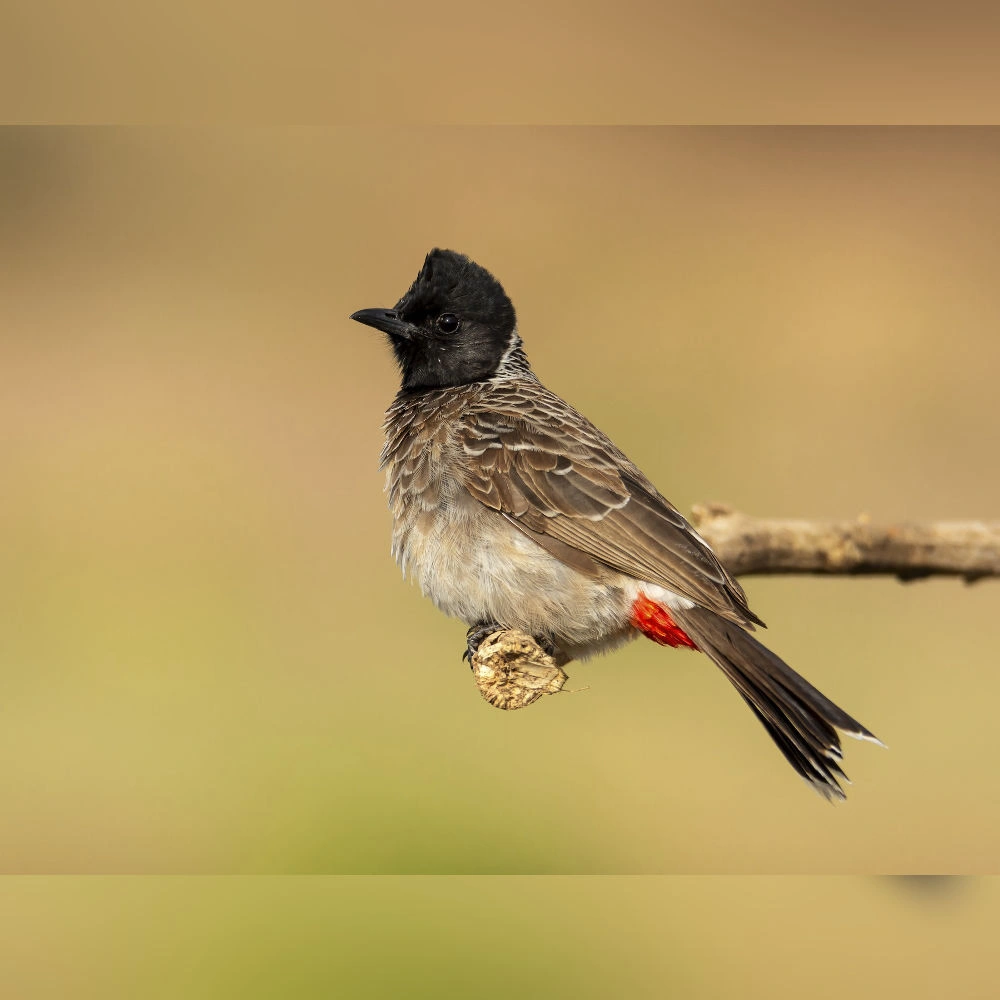
Red-vented Bulbul
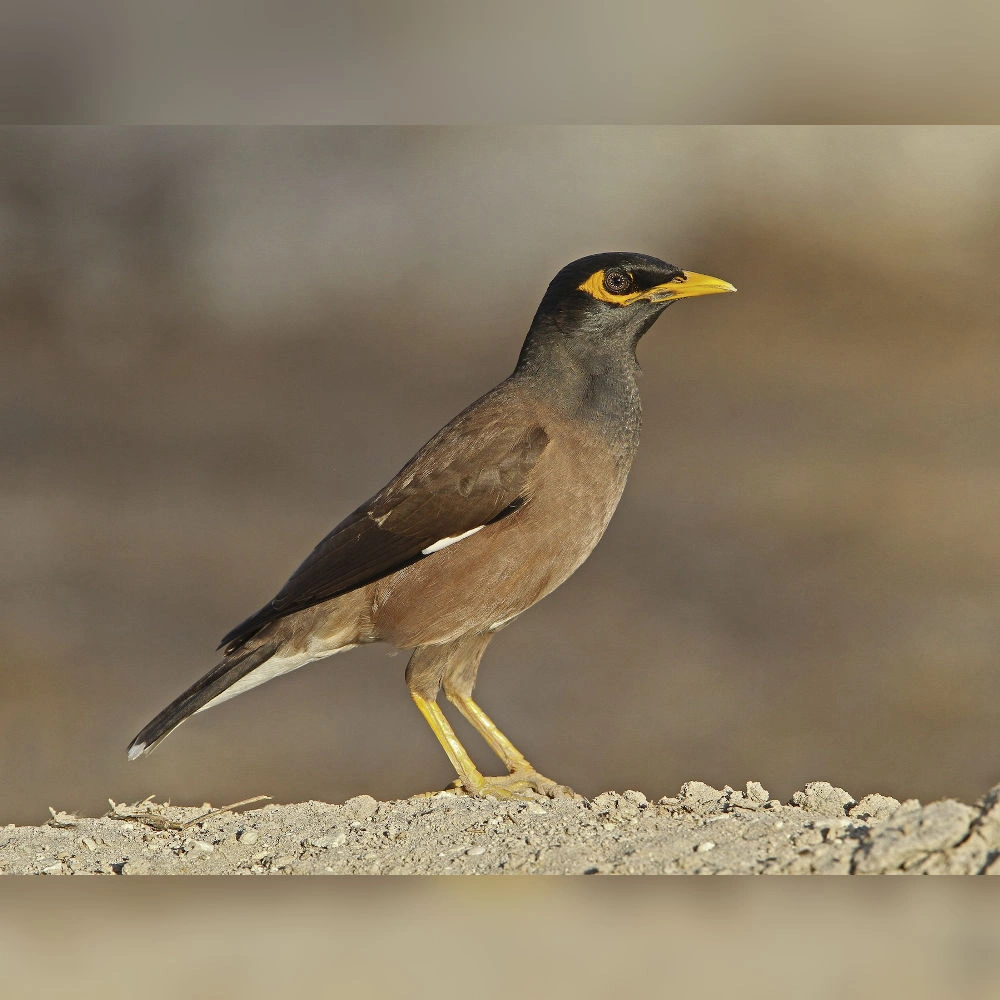
Common Myna

Oriental Magpie Robin
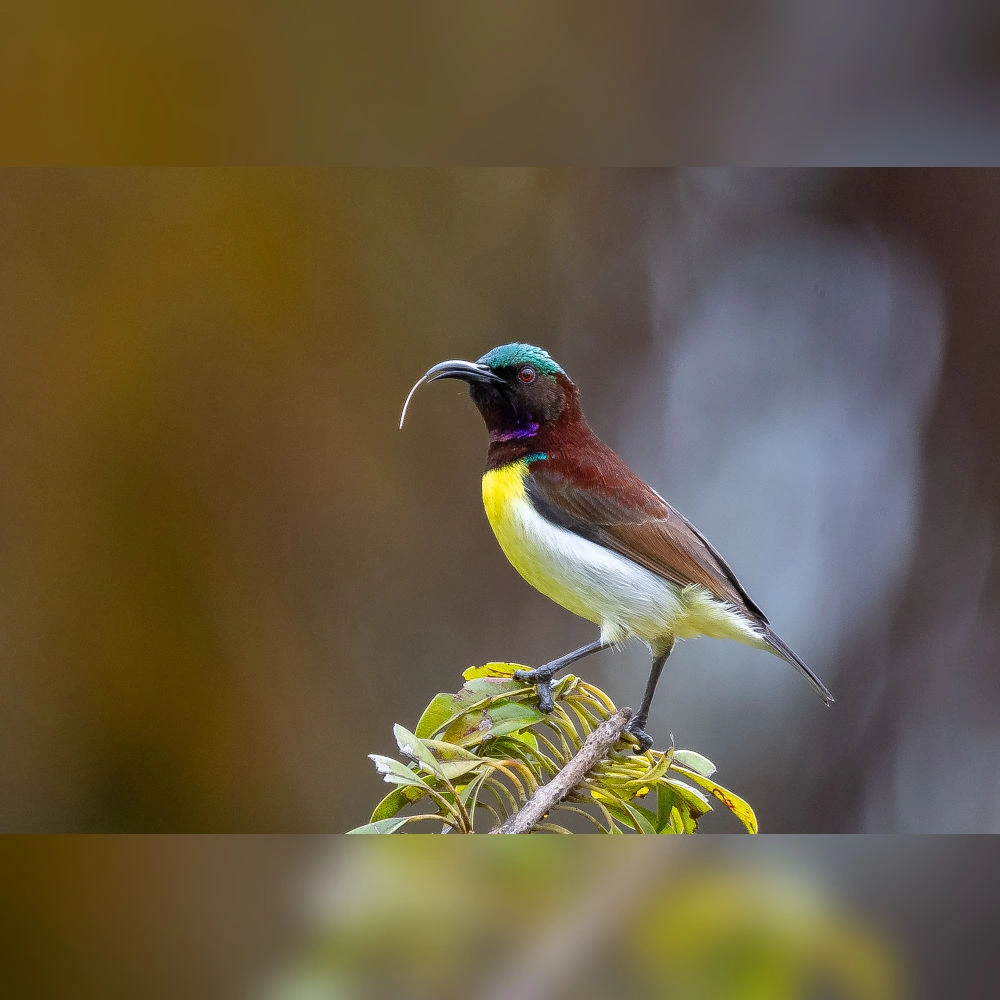
Purple-rumped Sunbird
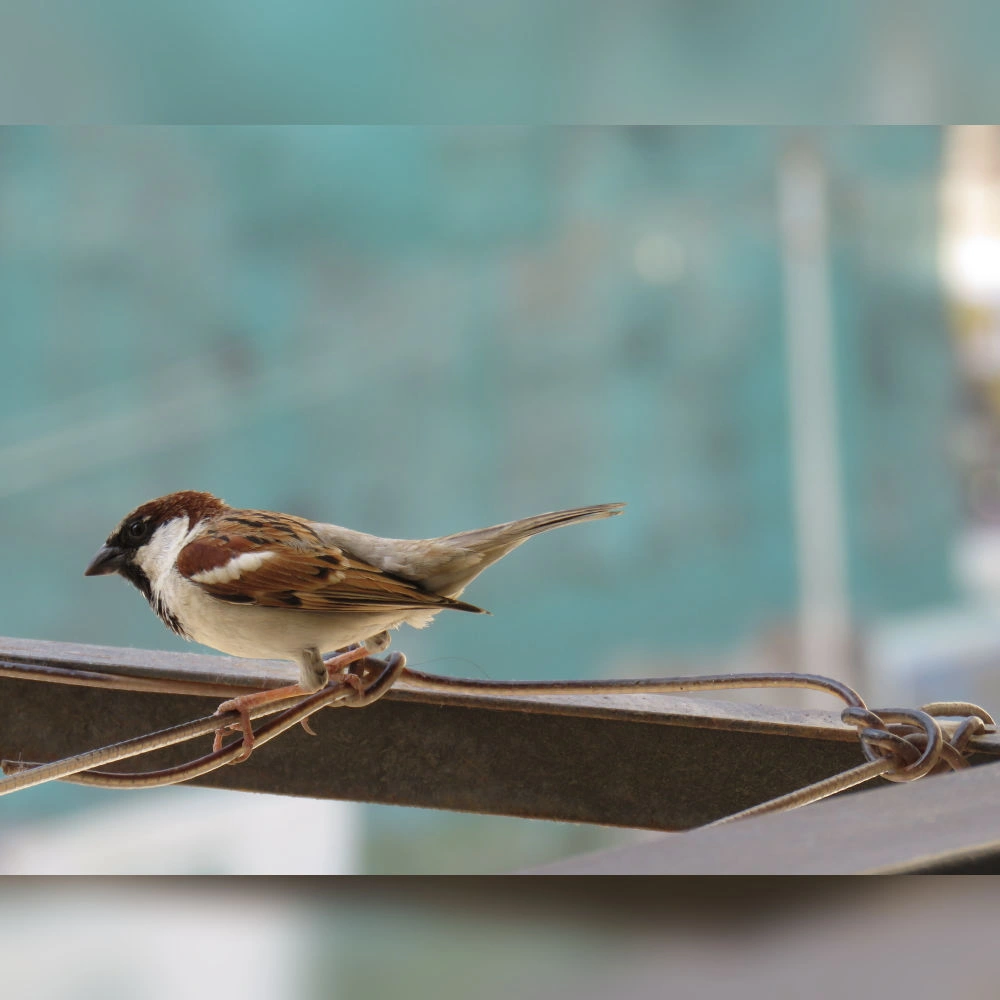
House Sparrow
Summary of Walk
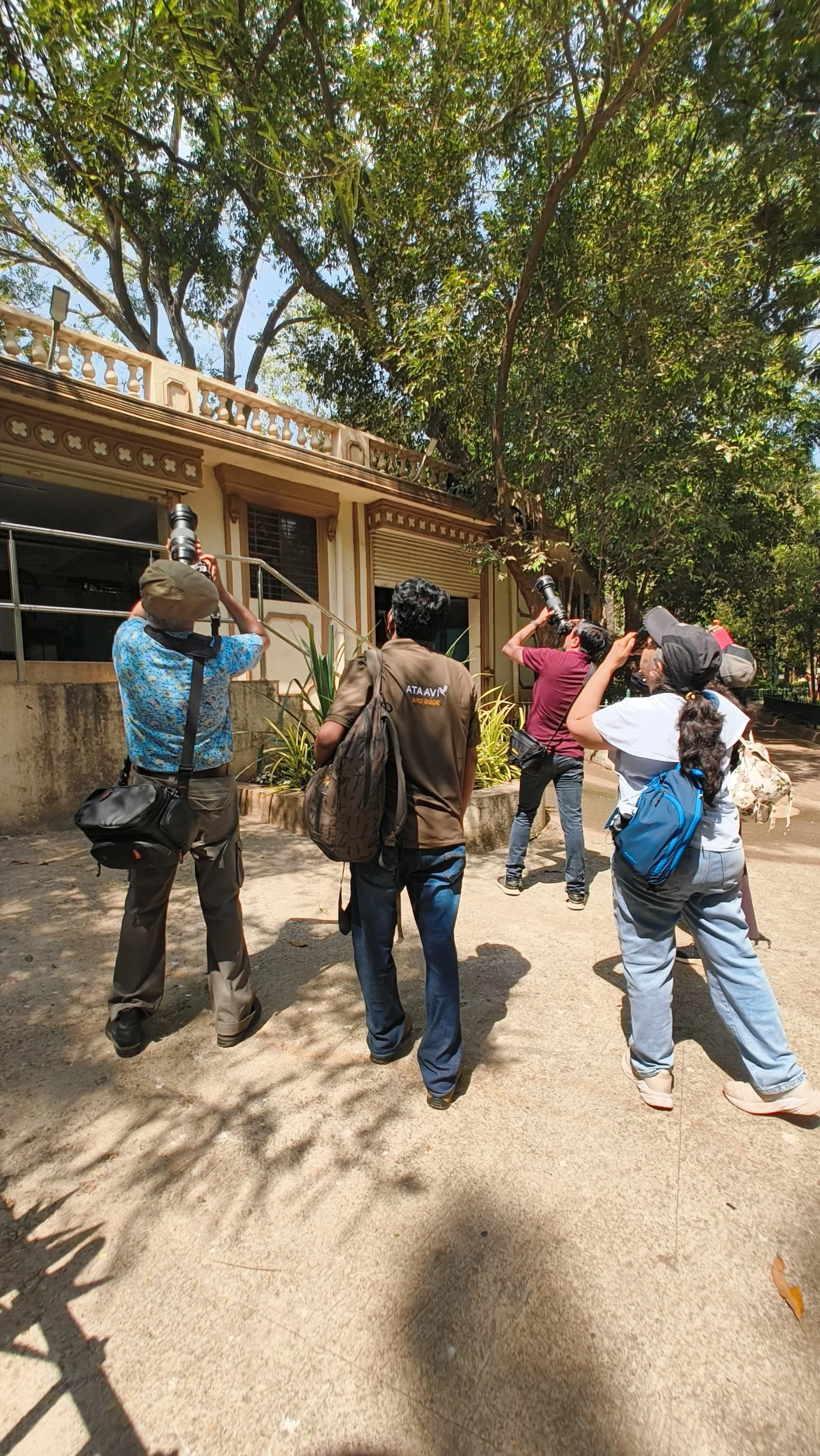
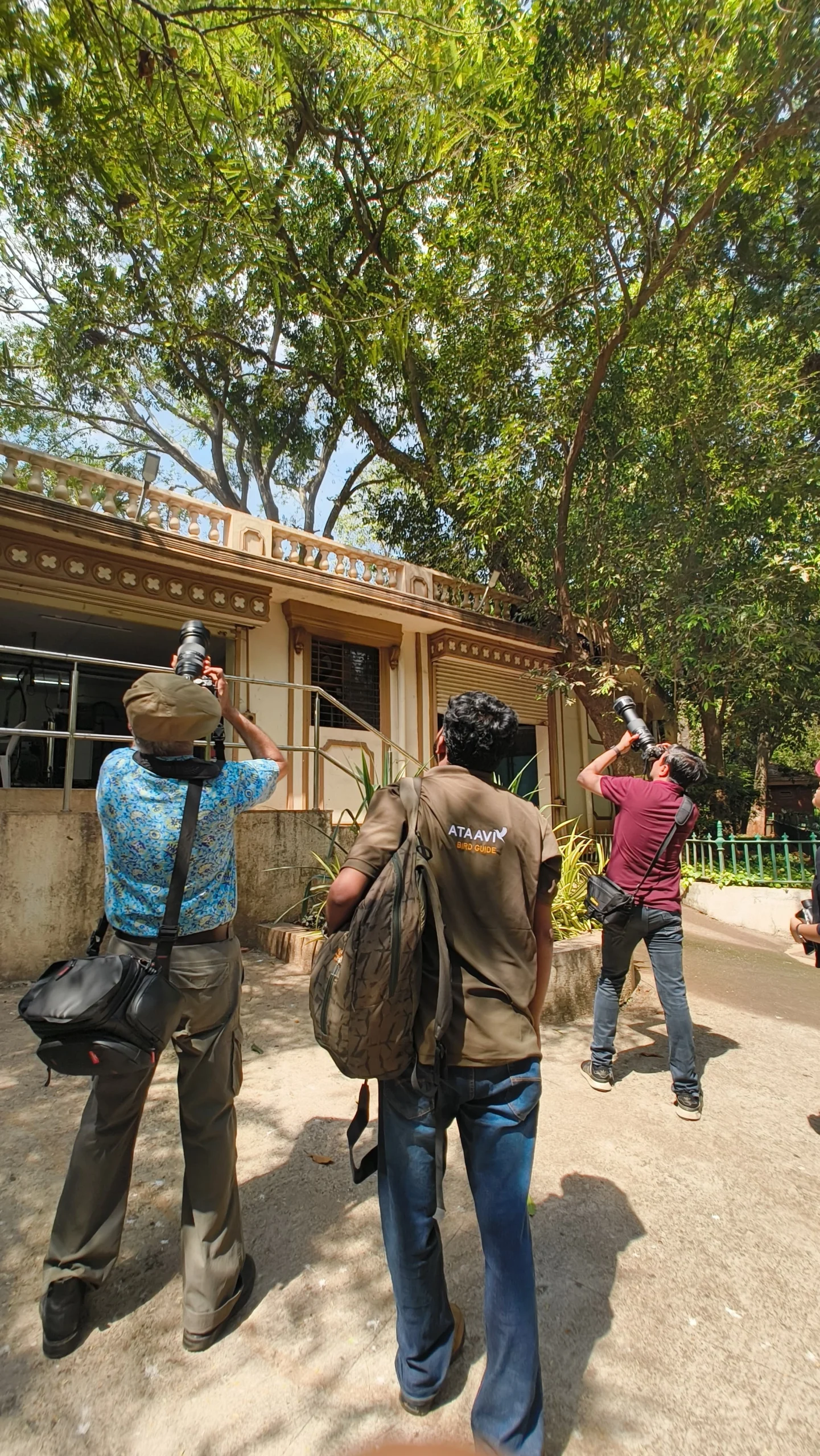
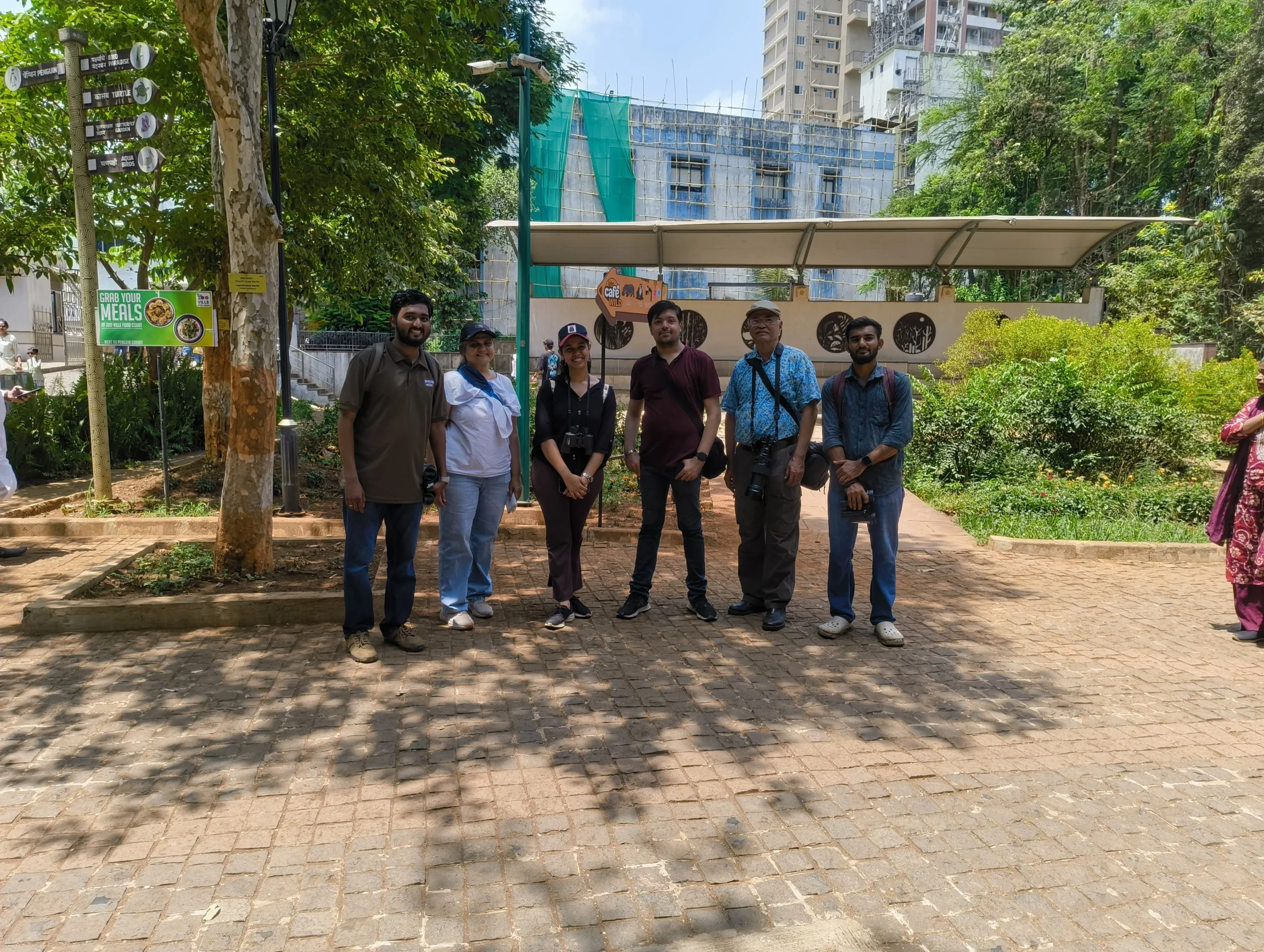
In the heart of Mumbai, the Veermata Jijabai Bhosale Botanical Udyan and Zoo transformed into a thriving hub of urban biodiversity. With 5 participants, this walk focused not just on bird sightings but on understanding behaviour and adaptation in a city landscape. Beginning at the iconic baobab tree, where a Coppersmith Barbet’s nest cavity set the tone, the walk unfolded into a rich narrative of birds coexisting with urban infrastructure.
Participants observed species like Black Kite, Spotted Owlet, and Oriental Magpie Robin, while learning about nesting, feeding, and grooming behaviours. A particularly memorable moment was watching a Great Egret steal nesting material from a Black Kite—an unusual and fascinating interaction. With 15 species recorded, the walk highlighted how even urban green spaces can support remarkable wildlife stories.
Number of Participants
0