

Loading Events

Bird Walk at Agacaim Mudflats, Goa

About Agacaim Mudflats

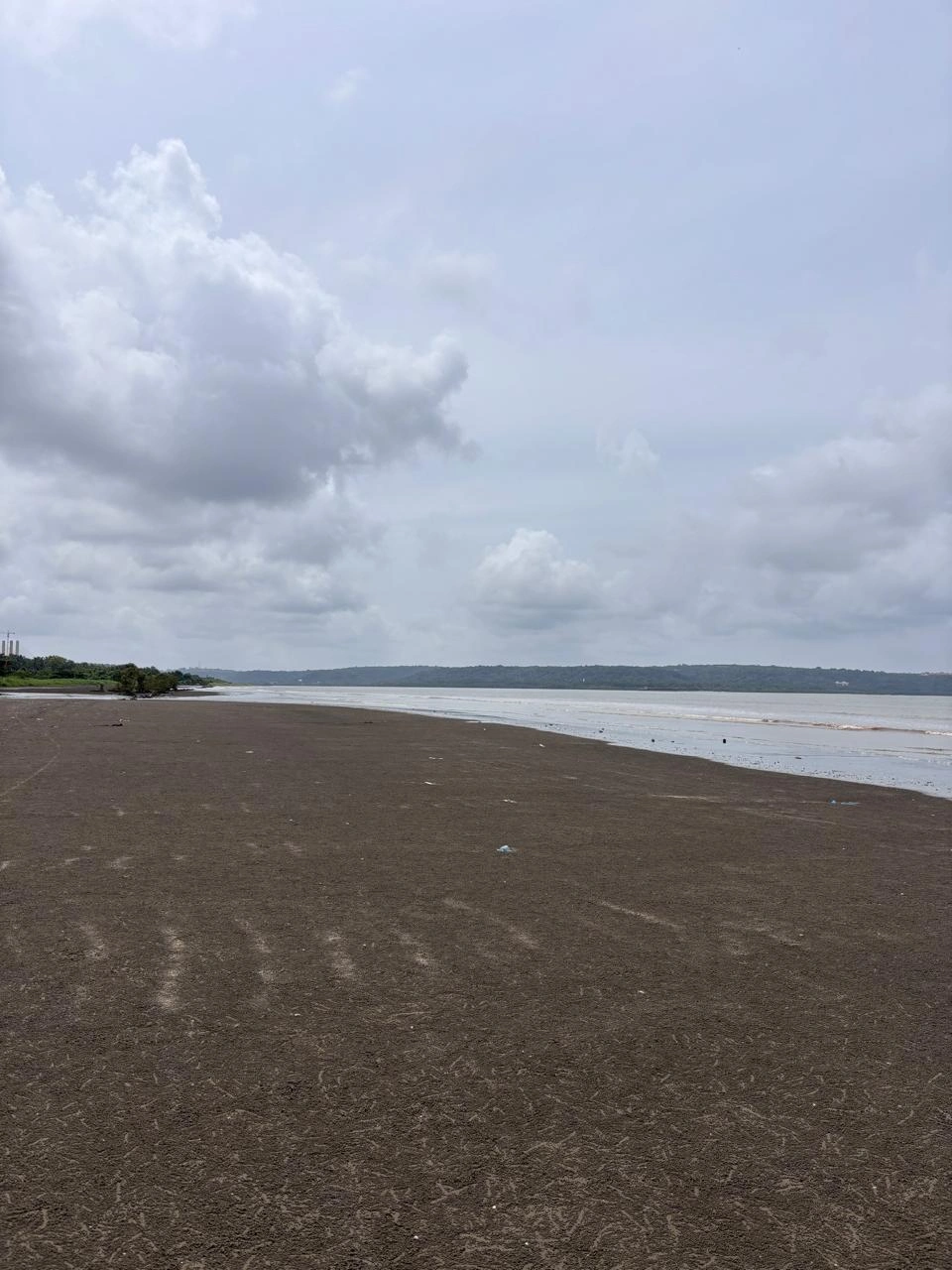
Agacaim Mudflats, located along the Mandovi estuary in North Goa, form an extensive intertidal habitat of saline marshes and tidal flats. Shaped by the ebb and flow of the river with seasonal monsoon influences, these mudflats provide a nutrient-rich ecosystem that supports a mosaic of invertebrates, fish, and aquatic vegetation. Their strategic position along the estuarine gradient makes them an important stopover and wintering ground for migratory waterbirds.
The habitat sustains flocks of waders such as sandpipers, plovers, and curlews, along with herons, egrets, and terns, making it a vital birding hotspot. Beyond avifauna, the mudflats contribute to estuarine productivity by cycling nutrients, stabilizing shorelines, and serving as nurseries for fish and crustaceans. Despite their ecological significance, Agacaim Mudflats face increasing pressures from coastal development, pollution, and land reclamation. Preserving this fragile ecosystem is crucial not only for migratory bird conservation but also for maintaining the ecological balance of Goa’s estuarine landscapes.

Bird Guide: Joel Fernandes

Birder with over a year of experience, having recorded around 270 species, including 258 on eBird (Goa), reflecting a growing passion for observing and documenting birds.
Bird walk Location

Common birds of Agacaim Mudflats

The Agacaim Mudflats, lying along the Mandovi estuary in Goa, are among the most important wintering sites for migratory waterbirds on the state’s coast. Every year, as the tide recedes, vast stretches of exposed mud attract large flocks of waders such as sandpipers, plovers, whimbrels, and curlews that probe the soft substrate for worms, mollusks, and crustaceans. These mudflats also host impressive gatherings of greater and lesser flamingos, often seen in pink-hued flocks feeding in the shallow waters, along with species like black-winged stilts, avocets, and terns.
Resident waterbirds such as herons, egrets, and kingfishers share the habitat year-round, while winter months bring an influx of northern migrants including gulls and ducks. This seasonal congregation makes Agacaim a birdwatcher’s delight and a crucial site in the migratory network along India’s west coast. The diversity and abundance of birdlife highlight the ecological richness of the mudflats, while also underlining the importance of conserving this fragile estuarine ecosystem in the face of growing developmental pressures.
Tibetan Sand-Plover
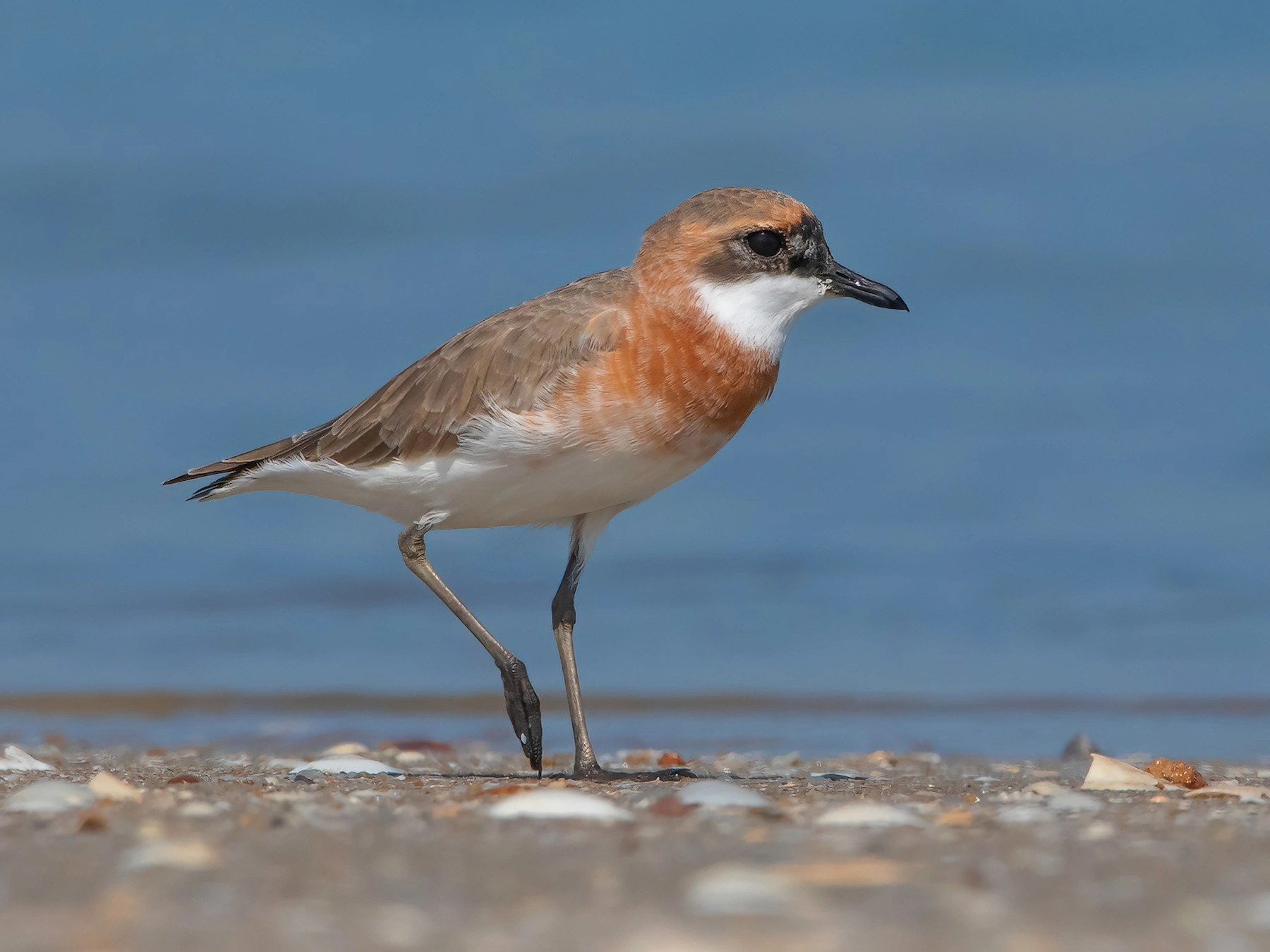
Greater Sand-Plover
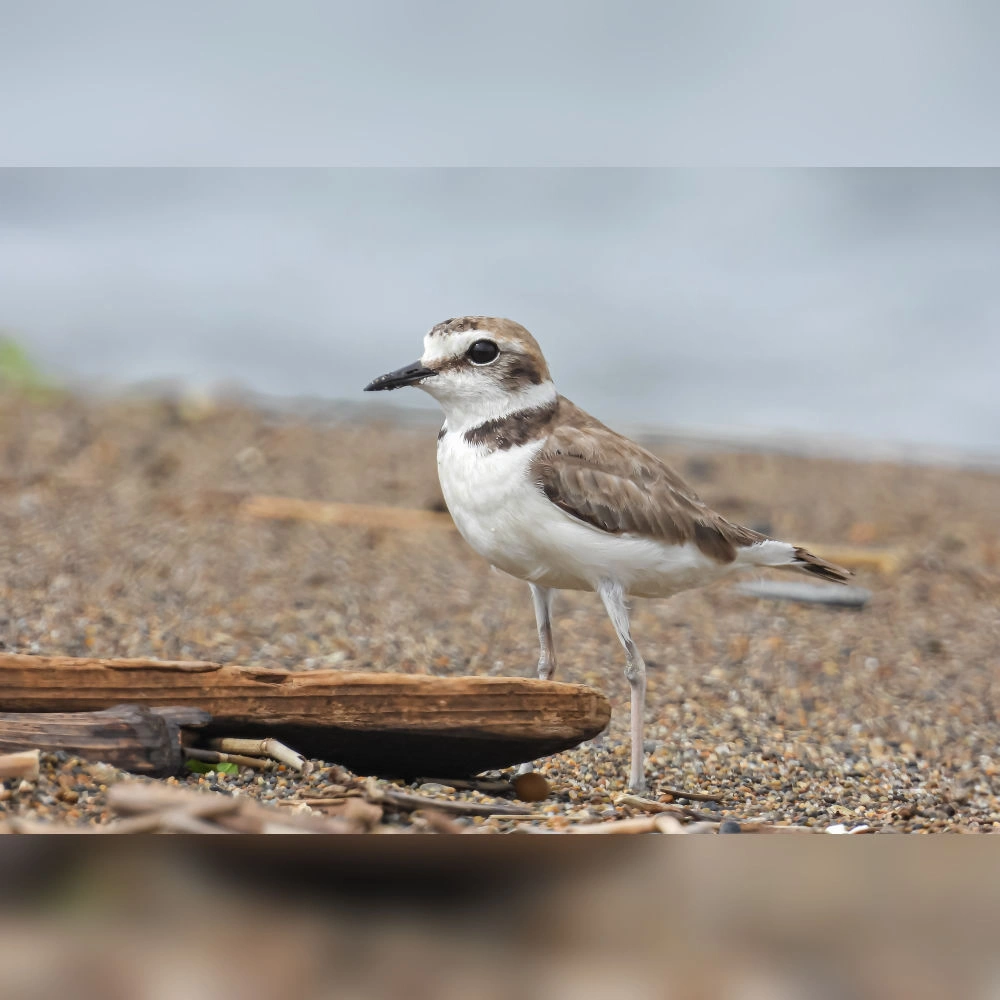
Kentish Plover
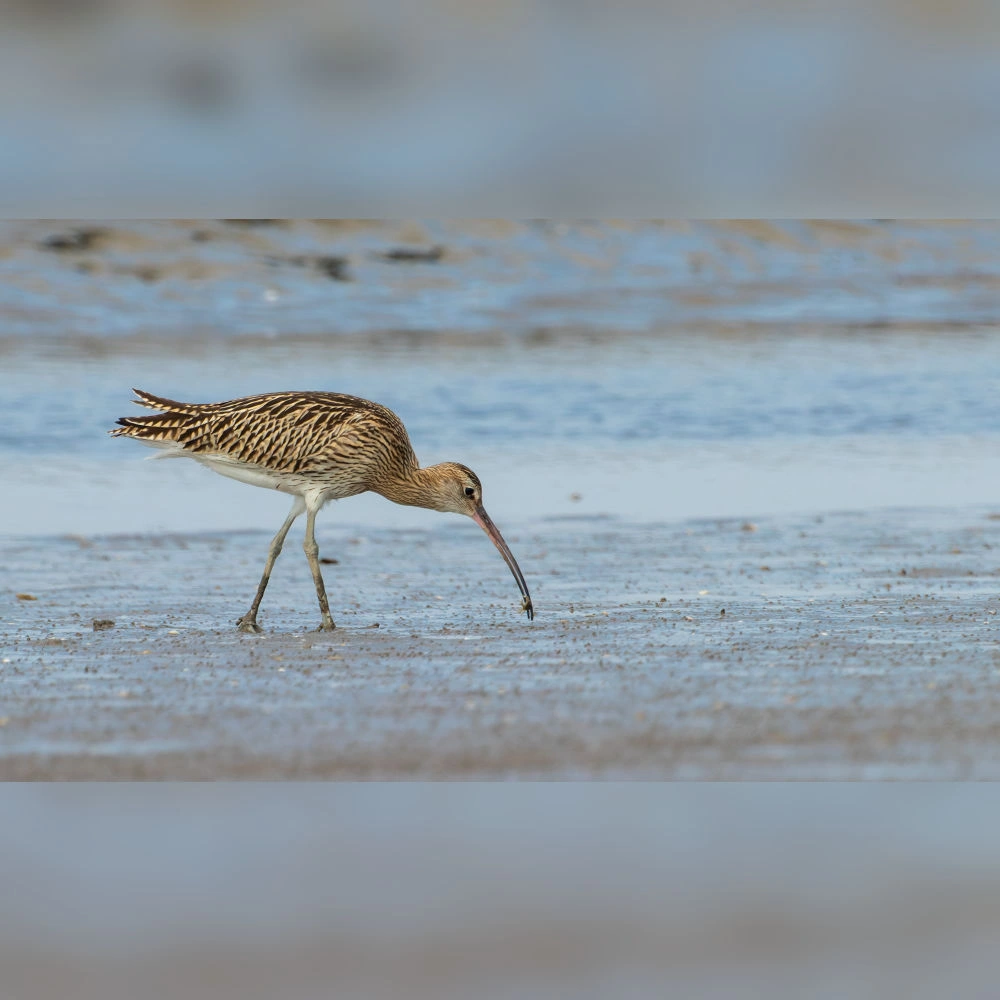
Eurasian Curlew
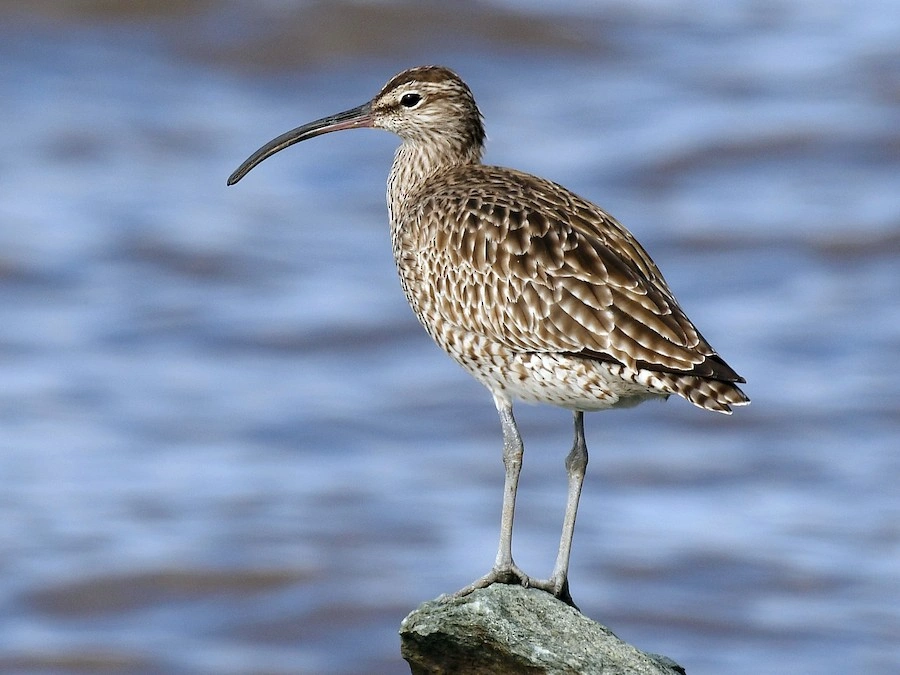
Eurasian Whimbrel
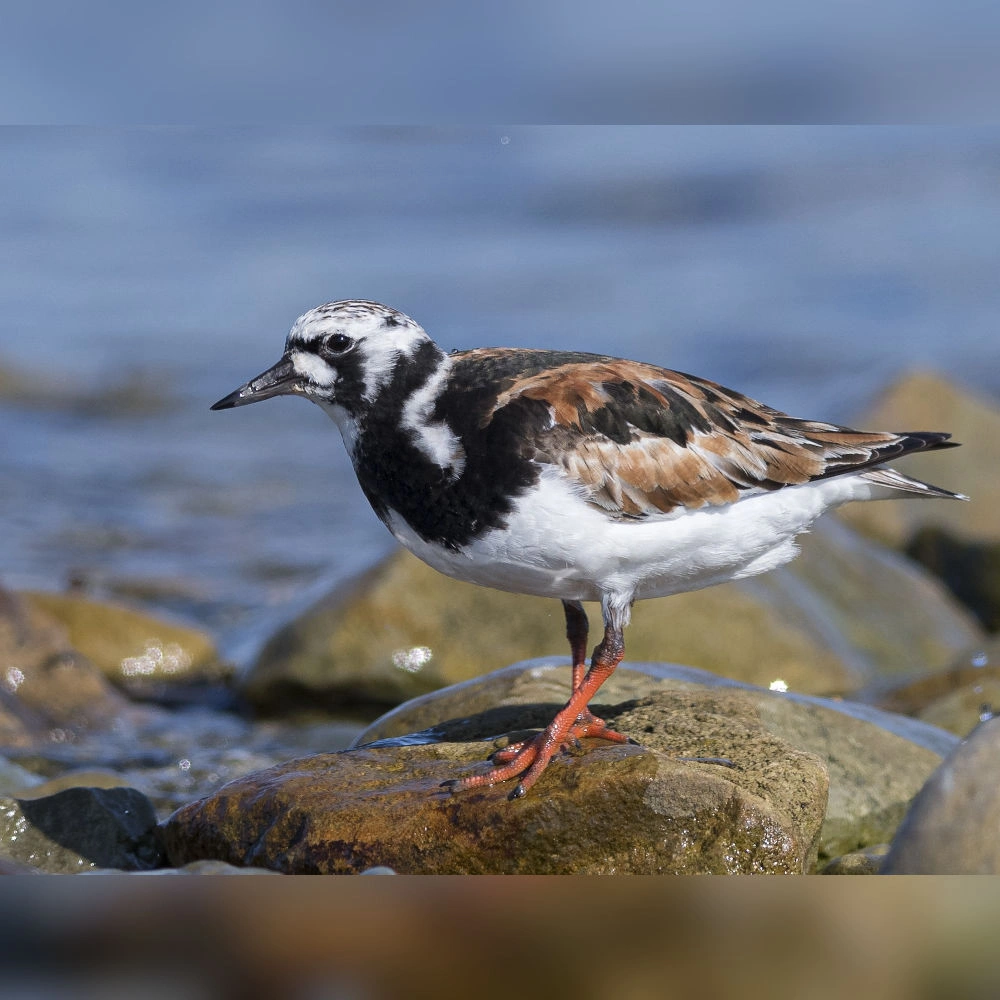
Ruddy Turnstone
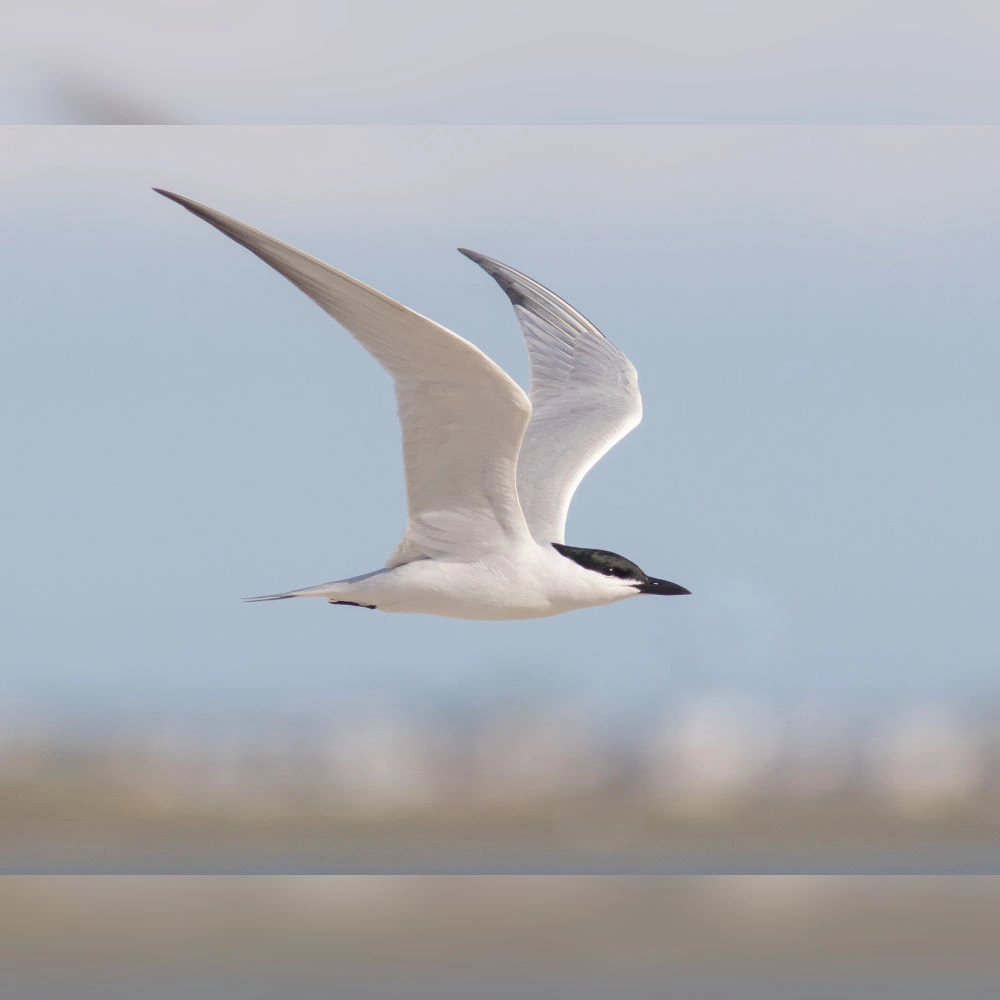
Gull-billed Tern
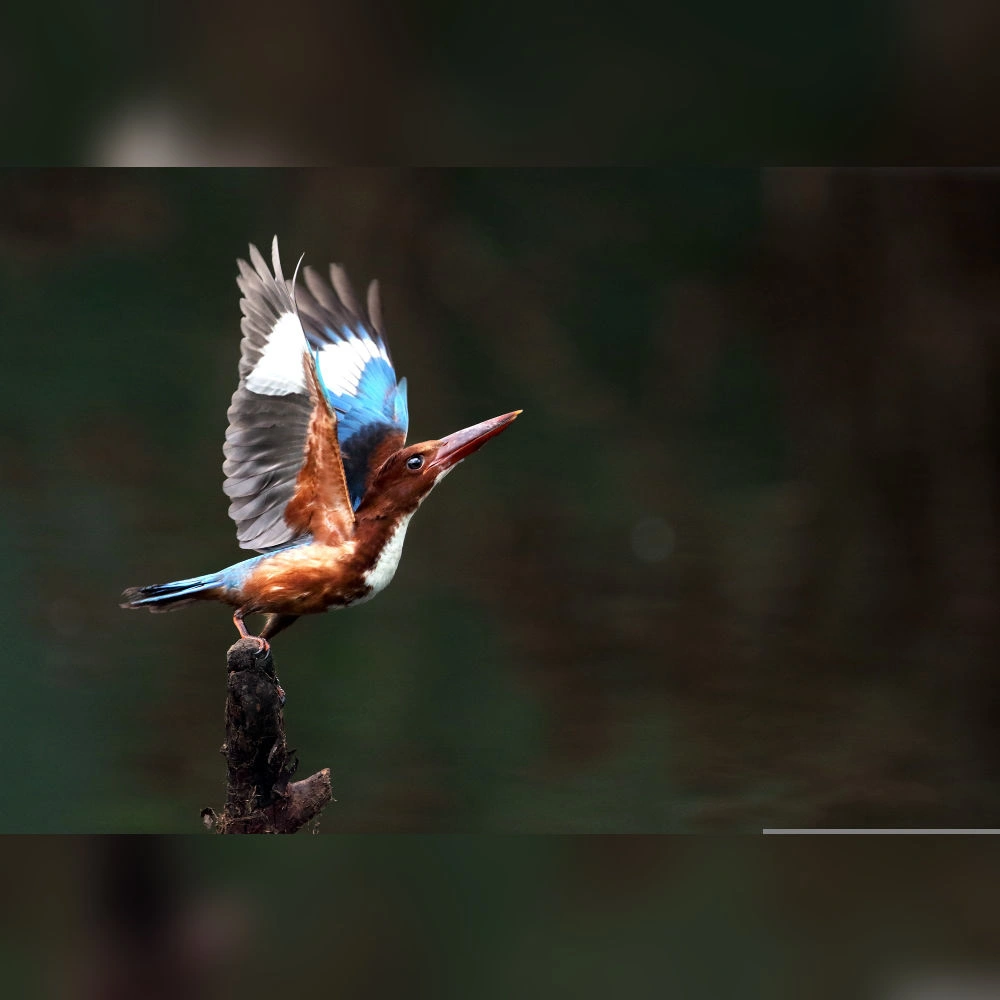
White-throated Kingfisher
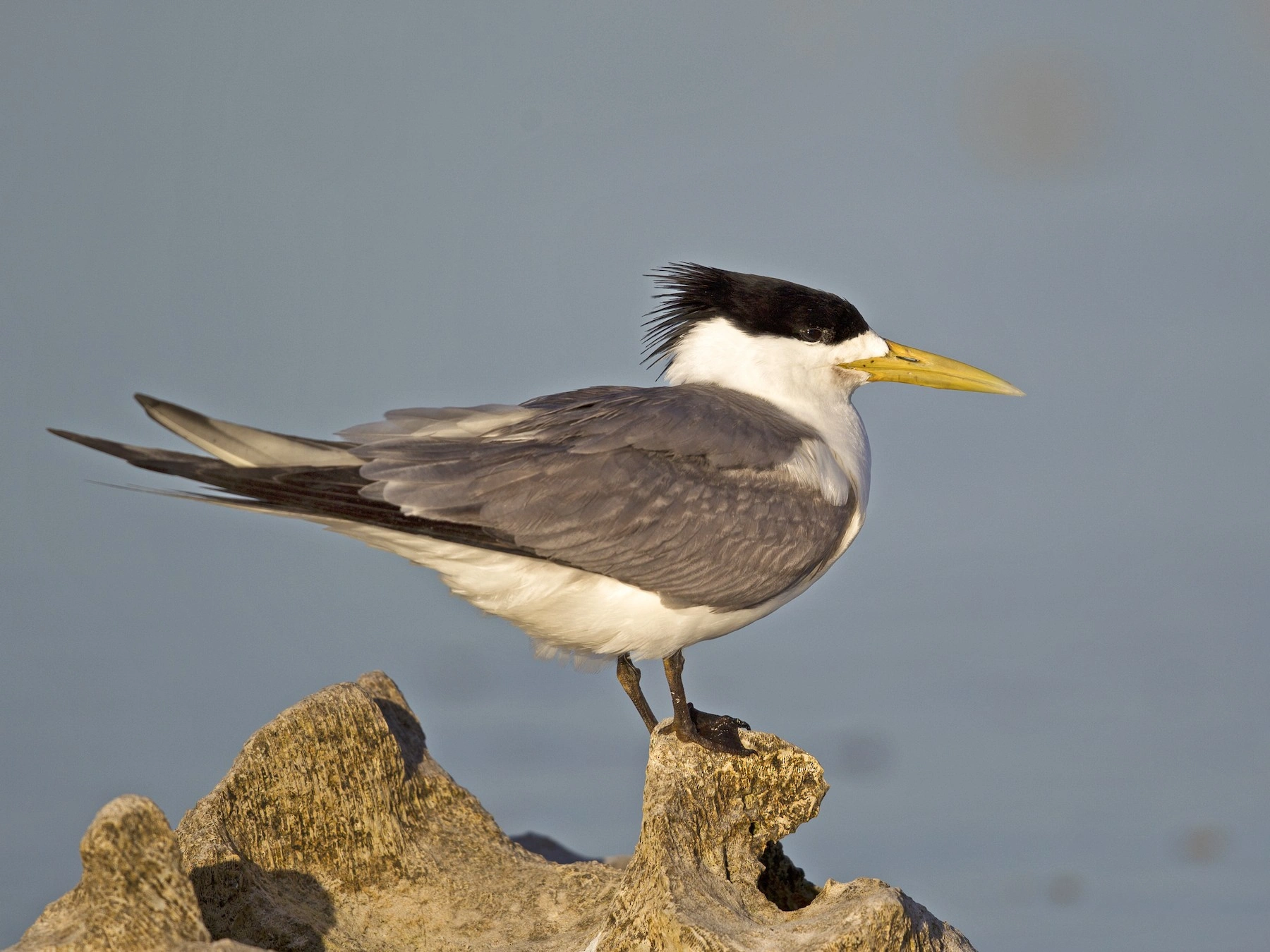
Great-crested Tern
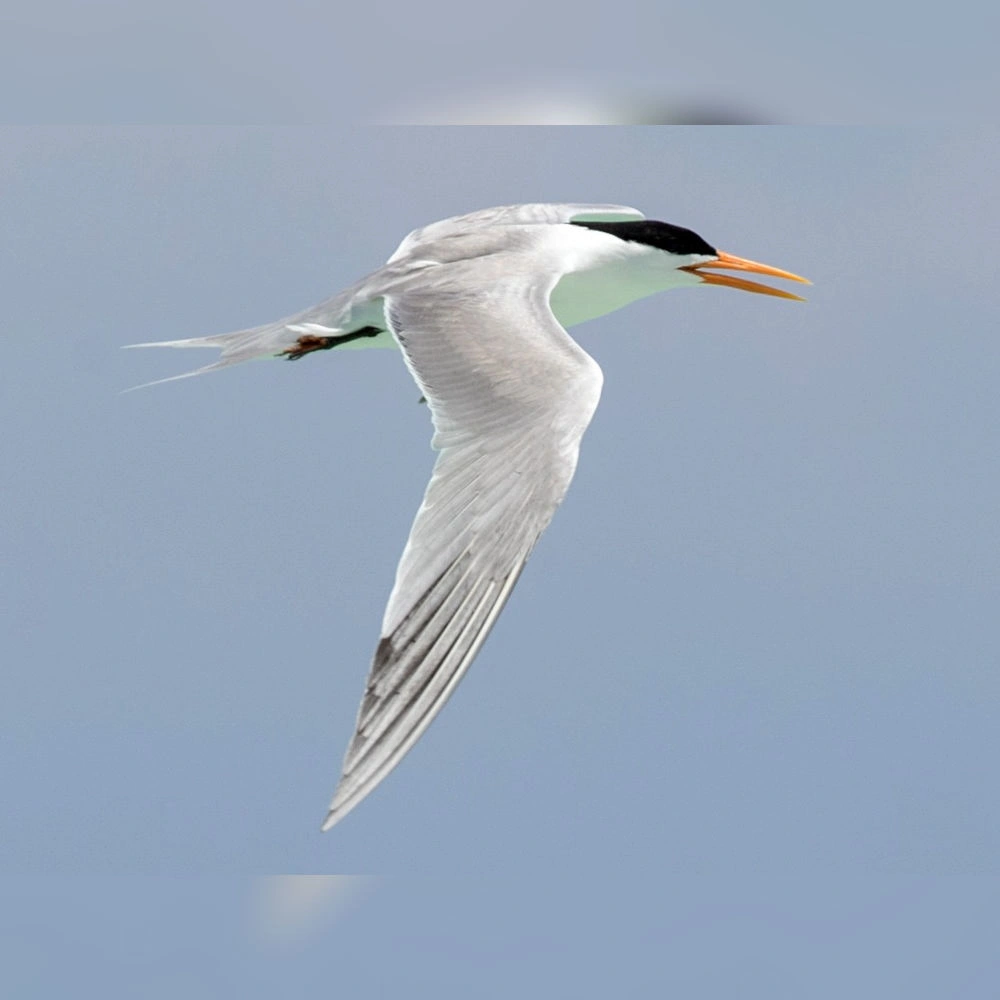
Lesser-crested Tern
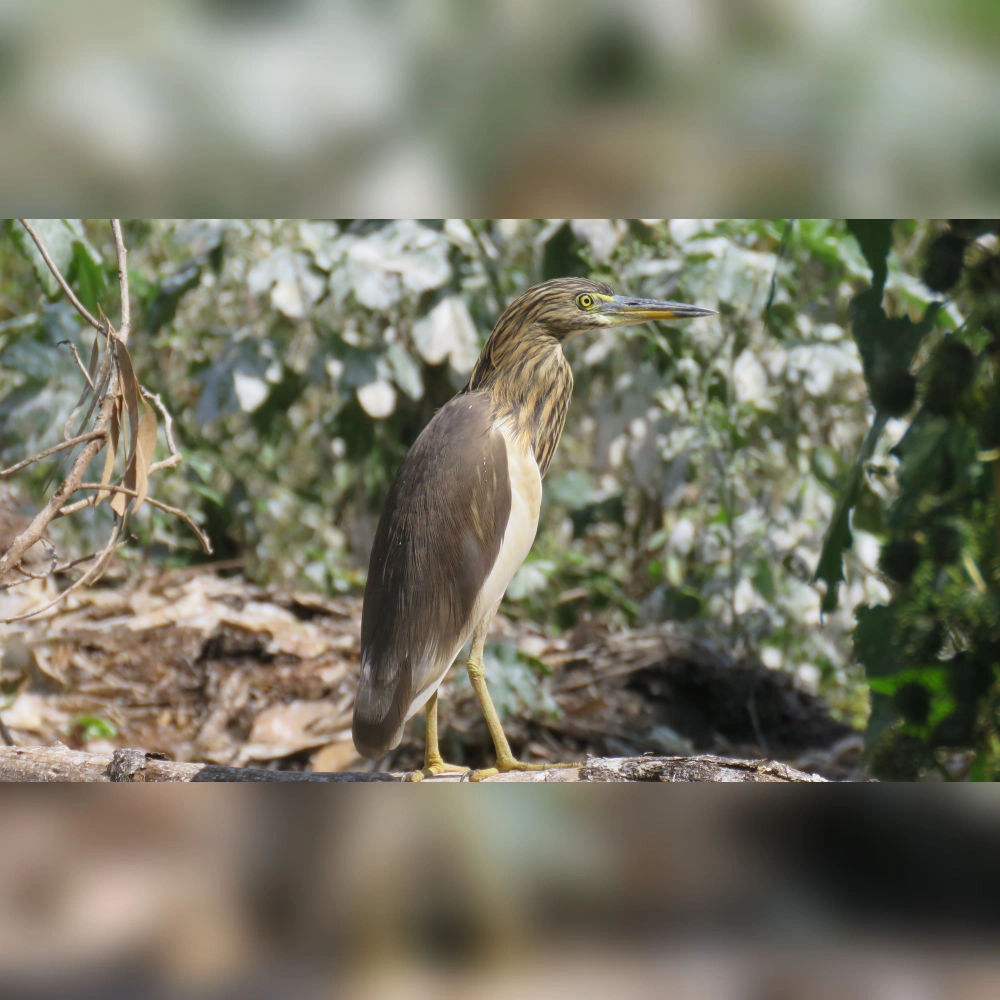
Indian Pond Heron

Black Kite
Brahminy Kite
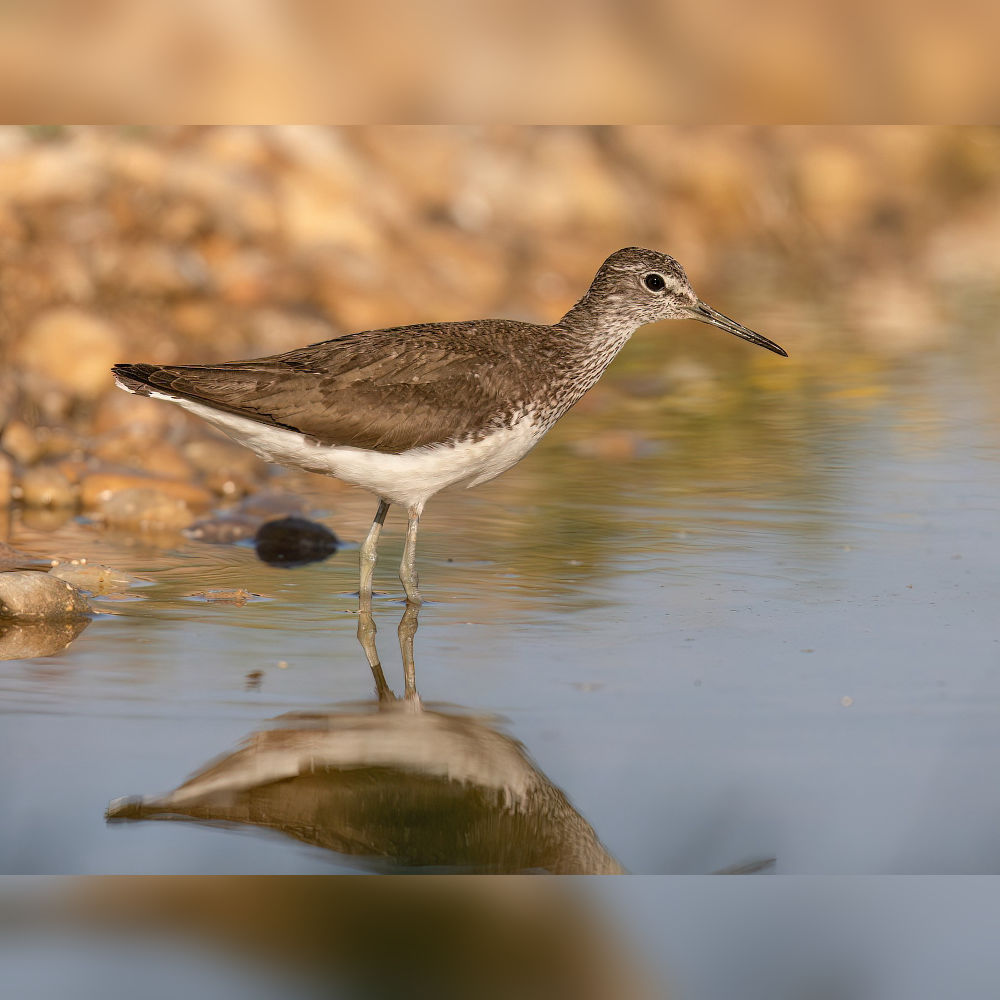
Green Sandpiper
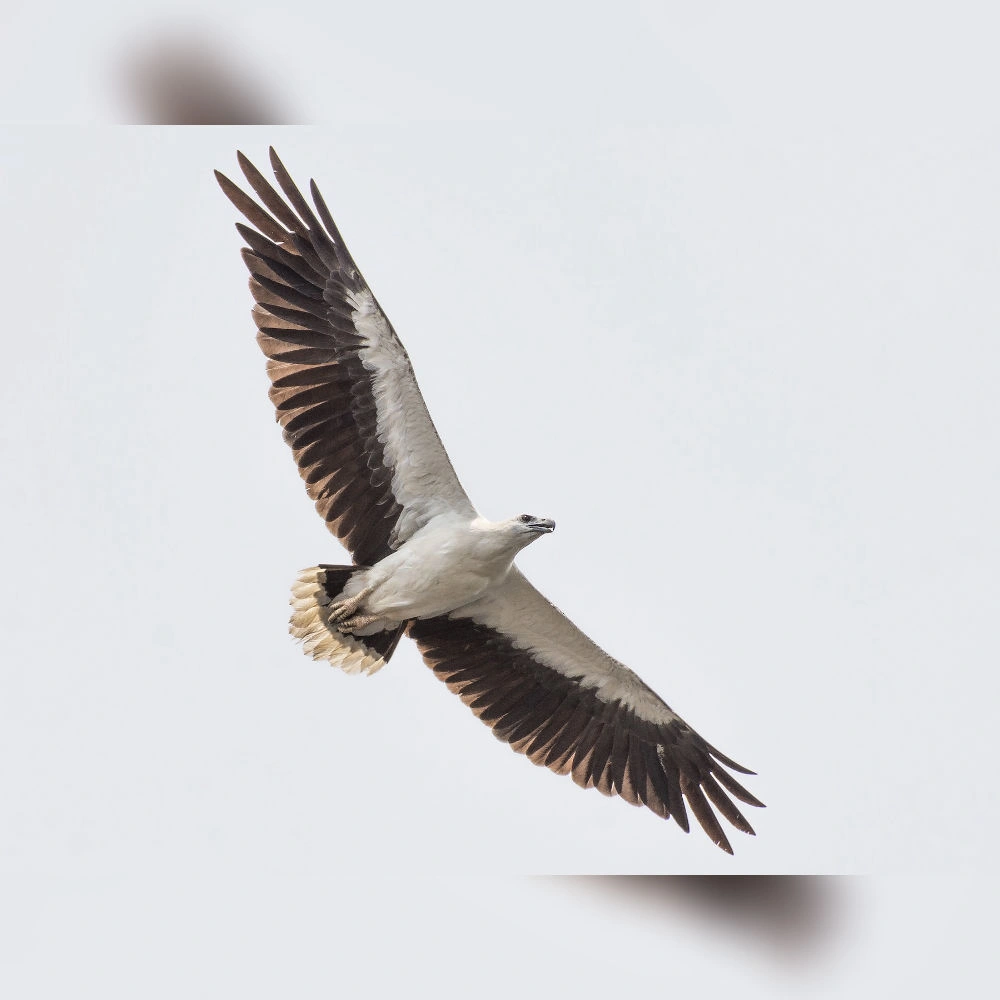
White-bellied Sea-Eagle
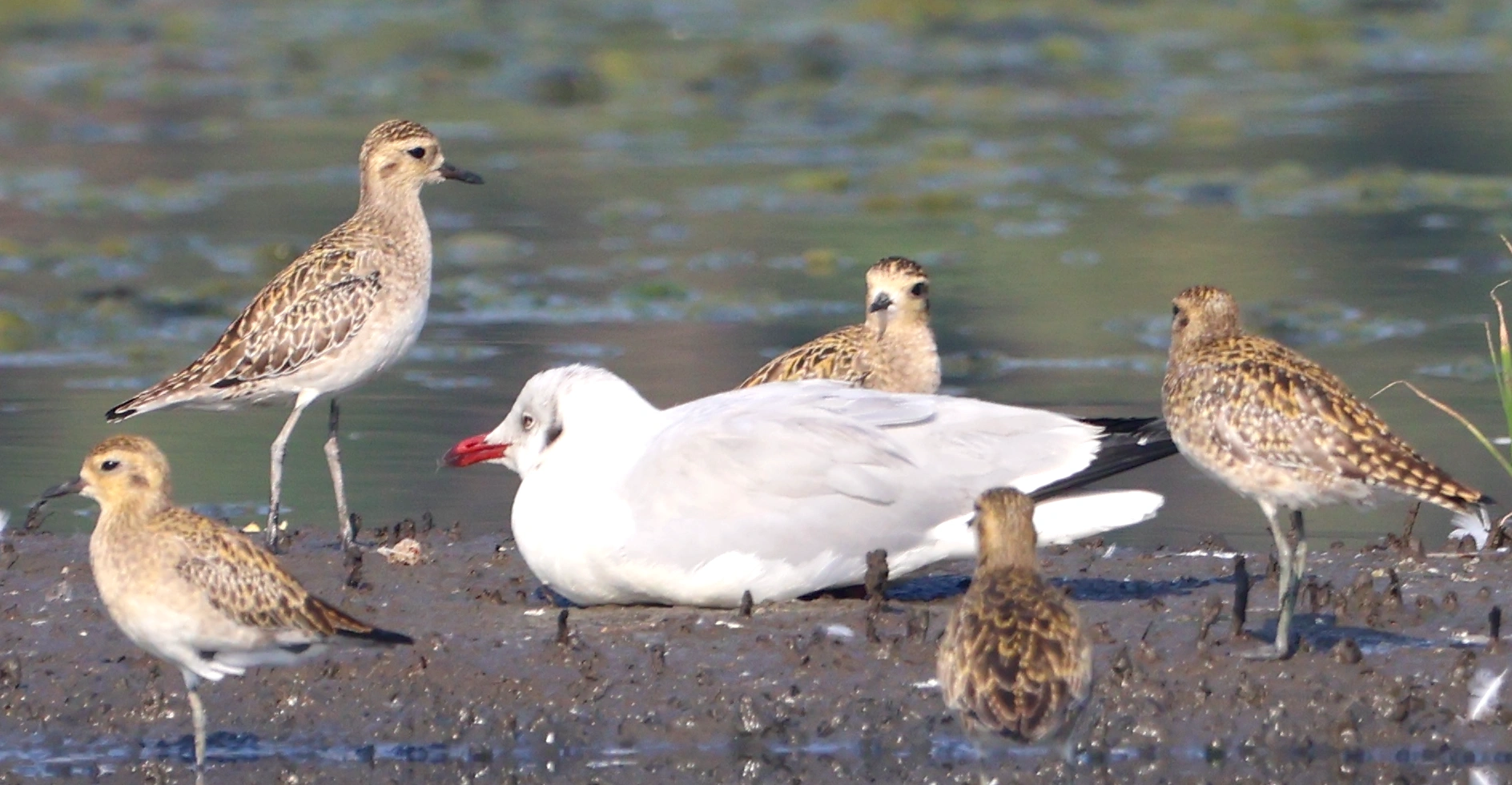
Brown-headed Gull
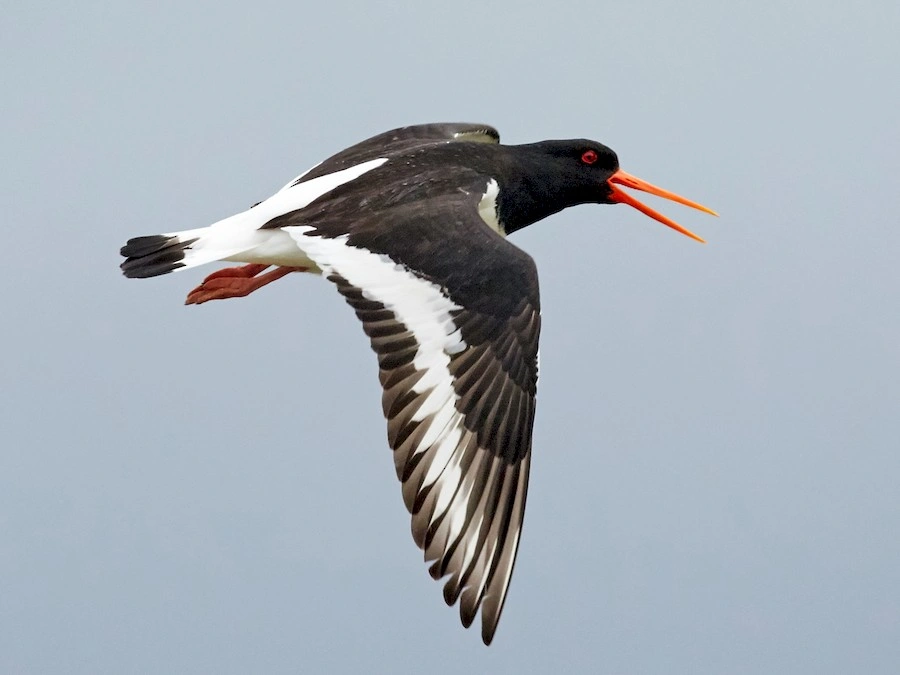
Eurasian Oystercatcher
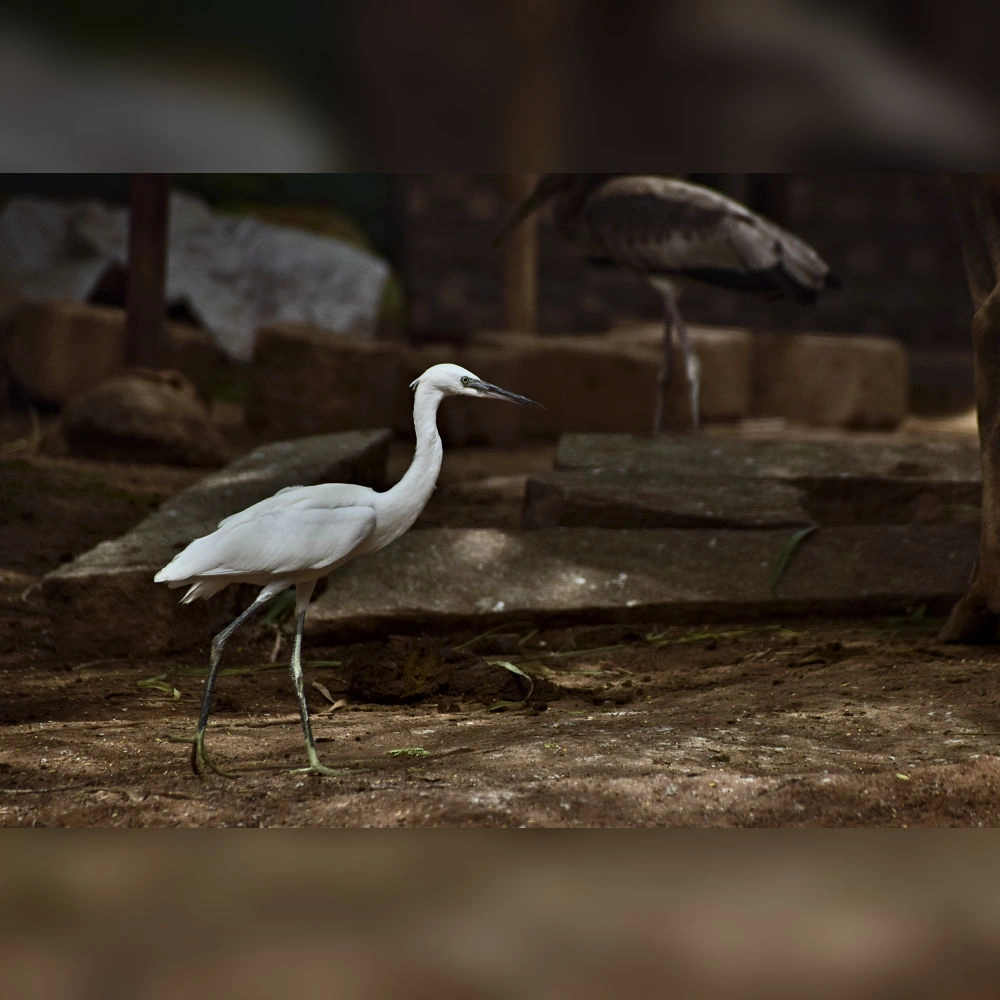
Little Egret
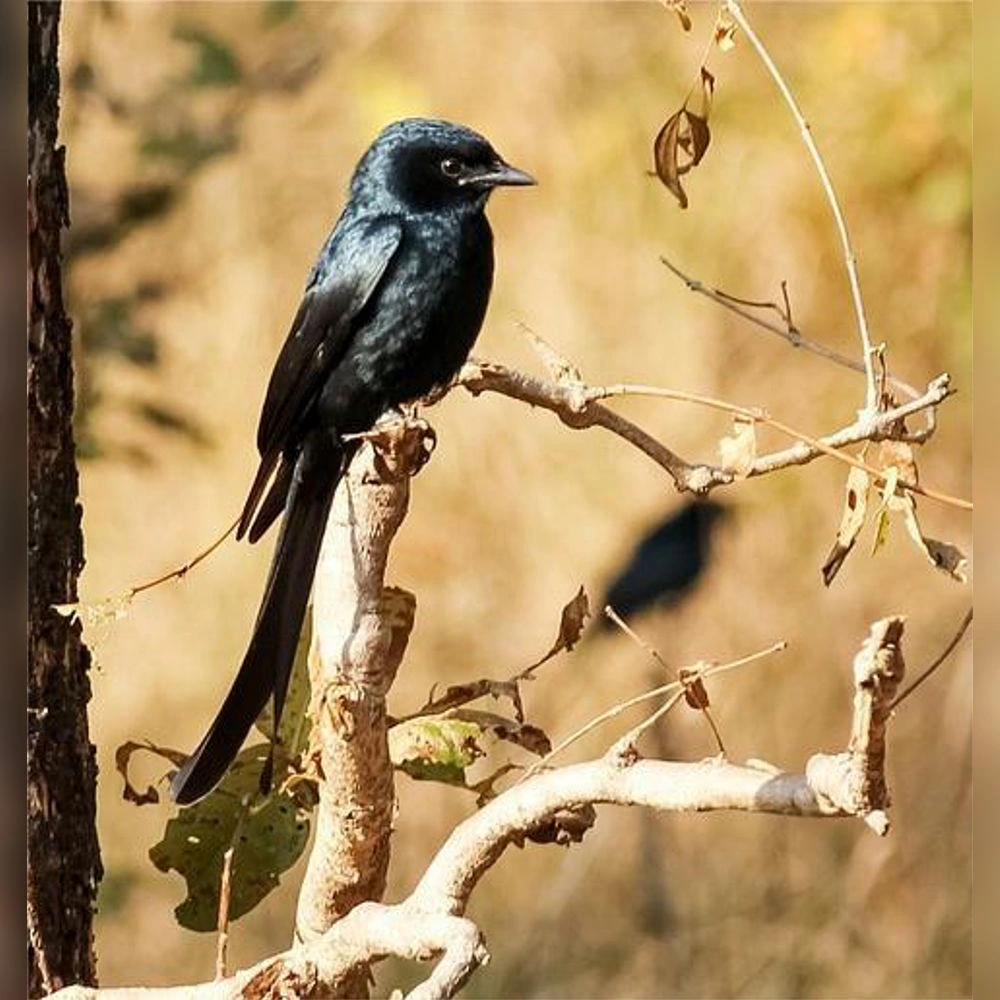
Black Drongo
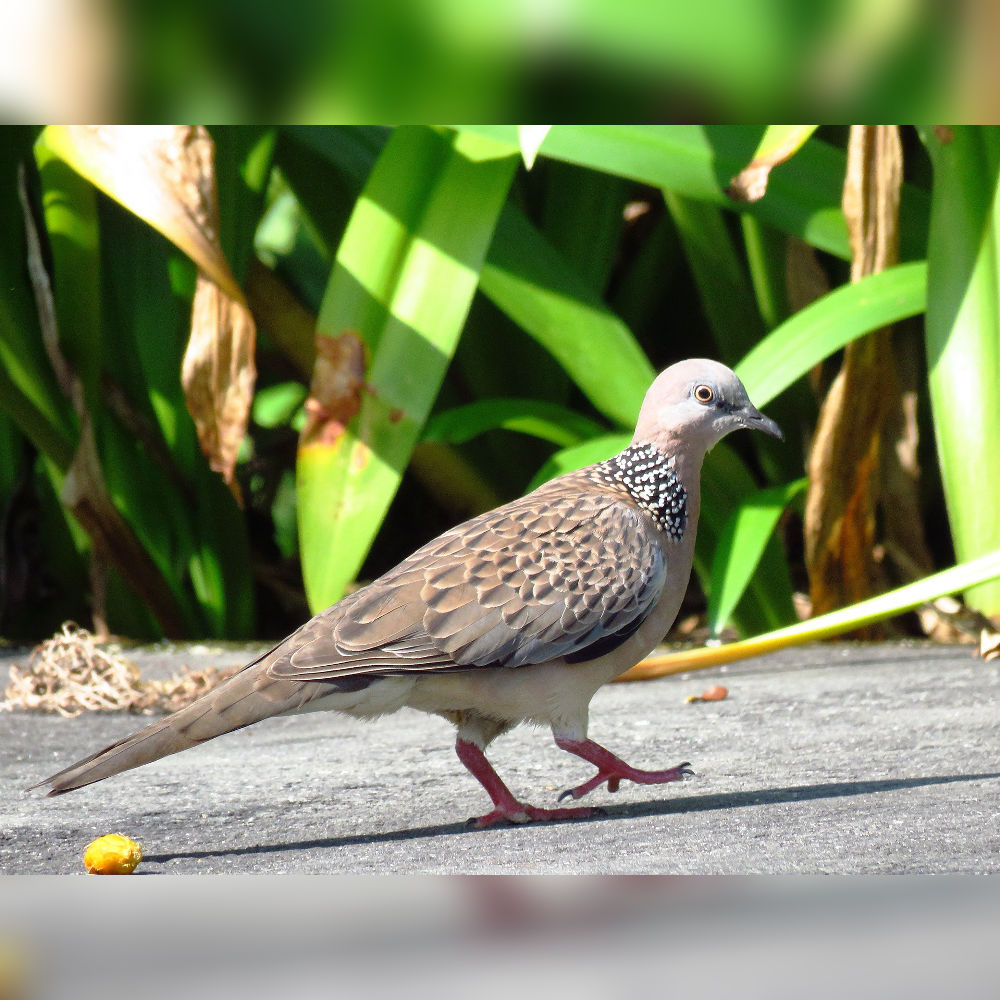
Spotted Dove

Summary of Walk

The shores of Agacaim Tidal Mudflats offered a unique coastal birding experience on 16th May, where 8 participants explored the dynamic intertidal habitat. The mudflats, shaped by tidal rhythms, revealed a fascinating mix of shorebirds and marine life, making it an immersive introduction to coastal ecosystems. Participants not only observed birds but also appreciated the subtle interactions between marine fauna and their environment, especially during this transitional period when migratory birds prepare to depart. The highlight of the walk was the rare sighting of the Eurasian Oystercatcher, a standout moment for all attendees. Alongside this, species like Sandwich Terns, Great Crested Terns, Lesser Crested Terns, and the majestic White-bellied Sea Eagle added to the excitement. With 18 species recorded, the walk beautifully captured the fleeting diversity of migratory birdlife and the importance of preserving these fragile coastal habitats.
Number of Participants
0
Scroll to Top